
Anúncios
Fishing has evolved beyond traditional gear and luck—now, free mobile apps are revolutionizing how anglers find hotspots, track conditions, and land trophy catches with precision.
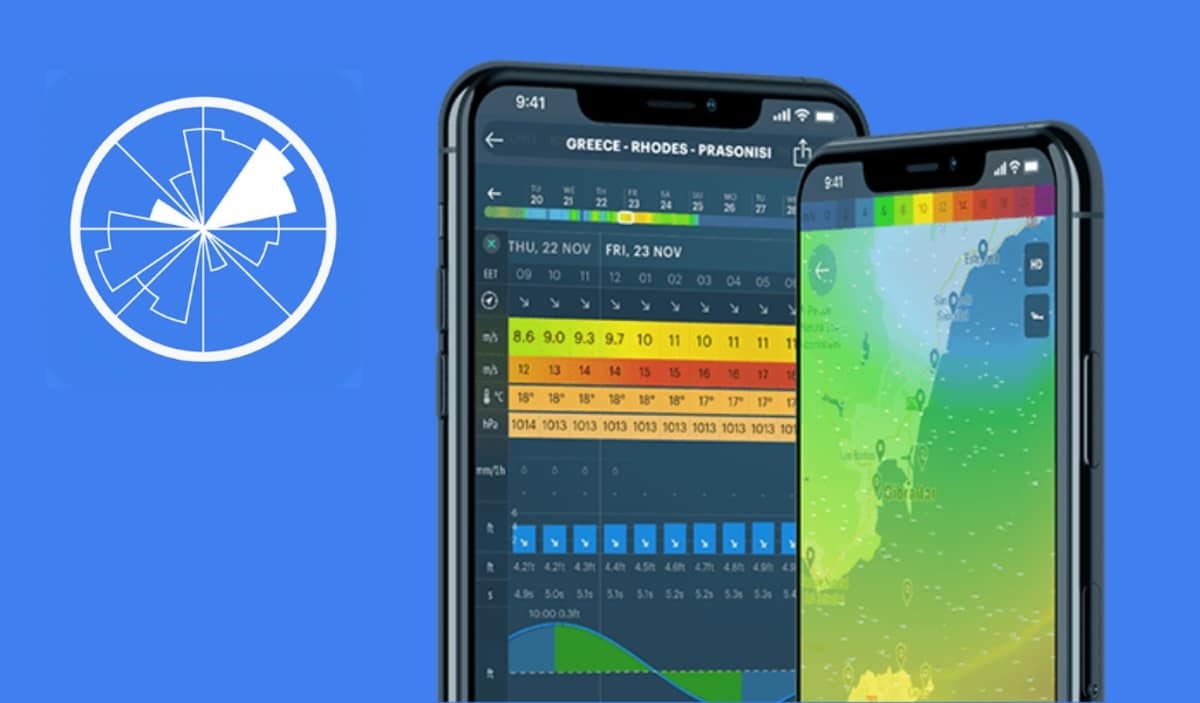
<strong>Free Fishing App 🎣</strong>
Modern anglers understand that success on the water combines experience, knowledge, and technology. Whether you’re pursuing bass in freshwater lakes, trolling for marlin offshore, or fly fishing mountain streams, having real-time information at your fingertips transforms every expedition into a strategic operation rather than a guessing game.
The fishing app ecosystem has matured dramatically over recent years, offering sophisticated tools that were once available only to professional charter captains and tournament competitors. Today’s free applications provide weather forecasting, lunar phase tracking, GPS mapping, social networking with fellow anglers, and species-specific intelligence—all from devices that fit in your pocket.
🎣 Why Technology Matters for Serious Anglers
Traditional fishing wisdom passed through generations remains valuable, but modern fish behavior responds to environmental variables that apps can track with scientific precision. Water temperature fluctuations, barometric pressure changes, wind patterns, and tidal movements all influence when and where fish feed actively.
Free fishing applications aggregate meteorological data, historical catch reports, and crowdsourced intelligence to predict optimal fishing windows. This democratization of information means weekend warriors now access the same data streams that guided professional anglers for decades.
Beyond prediction, these platforms create communities where anglers share real-time reports, photograph catches with GPS coordinates, and build reputations within their fishing circles. The gamification elements—badges, leaderboards, species challenges—add motivational layers that keep users engaged and constantly improving their skills.
📱 Essential Features in Top-Tier Fishing Apps
Not all fishing applications deliver equal value. The most effective platforms combine multiple data streams into intuitive interfaces that work seamlessly even in remote locations with limited connectivity. Understanding which features matter most helps anglers select tools that genuinely enhance their success rates.
Weather Integration and Forecasting 🌤️
Sophisticated weather modules go beyond simple temperature readings. Advanced apps display wind speed and direction across multiple forecast periods, cloud cover percentages, precipitation probability, and crucially—barometric pressure trends. Fish become significantly more active during specific pressure changes, particularly the hours before frontal systems arrive.
The best applications layer this meteorological data onto maps, allowing anglers to visualize how weather systems move across bodies of water. This spatial understanding helps you position yourself where conditions favor aggressive feeding behavior rather than relying on static location choices.
GPS Mapping and Waypoint Management 🗺️
Premium GPS functionality shouldn’t require premium subscriptions. Leading free apps provide topographic lake maps, nautical charts for coastal waters, and satellite imagery overlays. Users mark productive locations as private waypoints, creating personal databases of honey holes accumulated through seasons of exploration.
Depth contours displayed on these maps reveal underwater structure—ledges, channels, humps, and drop-offs where predatory fish ambush prey. Understanding bathymetry transforms random casting into strategic presentations targeting specific depth ranges and structural elements.
Solunar Tables and Feeding Forecasts 🌙
Moon phase influences fish activity through tidal effects and behavioral patterns hardwired into species biology. Solunar theory predicts daily periods of peak activity based on lunar position, solar position, and their combined gravitational effects.
Applications calculate major and minor feeding periods specific to your GPS coordinates, displaying them as visual timelines. Scheduling fishing trips around these windows—especially major periods during favorable weather—dramatically increases encounter rates with actively feeding fish.
Social Features and Catch Reporting 👥
The community aspect separates modern fishing apps from simple weather tools. Anglers post catches with species identification, length measurements, weight estimates, and photographs. These reports often include the lures, baits, or flies that produced results, along with water conditions and presentation techniques.
Browsing recent catches from your target waters reveals what’s biting currently, which techniques work, and where fish are staging seasonally. This crowdsourced intelligence provides situation awareness that would take years to develop through personal experience alone.
🏆 Leading Free Applications for Advanced Anglers
Several platforms have established themselves as industry standards, each offering unique strengths that appeal to different fishing styles and preferences. Exploring multiple options helps you identify which interfaces and feature sets align with your specific needs.
Fishbrain: The Social Network for Anglers
With millions of users worldwide, Fishbrain combines social networking with predictive technology. The platform’s strength lies in its massive catch database—users have logged tens of millions of fish with detailed metadata. This information feeds machine learning algorithms that generate fishing forecasts specific to species and locations.
The free tier includes weather overlays, basic mapping, catch logging, and community features. Anglers follow friends, join groups focused on specific species or techniques, and participate in challenges that encourage skill development. The app’s species identification tool uses image recognition to help users confirm catches and learn about new species.
Fishidy: Precision Mapping and Community Intel
Fishidy excels at hyper-local intelligence with detailed maps covering thousands of lakes and coastal regions. Users contribute fishing reports marked with precise GPS coordinates, creating heat maps that reveal productive zones. The platform’s strength lies in its cartography—professionally surveyed depth charts and structure markers.
The free version provides full map access, catch reporting, and community features. Premium upgrades unlock advanced weather layers and extended forecasts, but casual anglers find substantial value without paying. The desktop web interface complements mobile apps, allowing trip planning from home computers.
Navionics: Professional-Grade Nautical Charts
Originally developed for maritime navigation, Navionics adapted its world-class cartography for recreational fishing. The free Navionics Boating app delivers the same charts used by commercial vessels, with remarkable detail in coastal waters, the Great Lakes, and major river systems.
Depth contours, navigation aids, marina locations, and hazard markers appear with precision necessary for safe boating. Anglers use these charts to identify promising structure and plan approaches to productive areas. The community edits feature allows users to contribute local knowledge that enhances maps collaboratively.
My Fishing Advisor: Bite Time Predictions
This application focuses intensely on bite time forecasting using proprietary algorithms that consider weather, moon phase, and historical patterns. The interface presents daily ratings on a 0-100 scale predicting fish activity levels, with hour-by-hour breakdowns showing when feeding peaks occur.
Users customize the app for target species and locations, receiving notifications when conditions align favorably. The catch log integrates with forecasts, allowing anglers to verify prediction accuracy against actual results over time. This feedback loop helps users learn which variables most influence their local fisheries.
⚙️ Maximizing App Effectiveness on the Water
Downloading applications represents just the first step—extracting maximum value requires strategic usage and understanding each tool’s limitations. Thoughtful integration of technology with traditional fishing knowledge produces results far exceeding either approach alone.
Pre-Trip Research and Planning 📋
Begin preparations days before launch by studying recent catch reports from your destination. Note which species are active, what depths they’re holding, and which presentations are producing. Check extended weather forecasts for pressure trends and frontal movements that might impact fish behavior.
Use mapping features to identify waypoints worth exploring—points, underwater humps, channel edges, and other structural elements. Screenshot maps for offline reference in case cellular connectivity proves unreliable on the water. Mark boat launches, parking areas, and emergency access points for safety planning.
Real-Time Adjustments During Fishing Sessions ⏰
Consult solunar forecasts to optimize your schedule, focusing premium fishing time during major and minor periods. If bite rates slow outside predicted windows, don’t force action—use downtime for relocation, tackle maintenance, or exploring new areas.
Monitor weather apps for sudden changes. Approaching storms often trigger feeding frenzies as fish sense pressure drops. Conversely, post-frontal high pressure typically suppresses activity, suggesting focus on deeper water or structure-oriented presentations rather than aggressive retrieves.
Post-Trip Logging and Pattern Recognition 📊
Discipline in catch logging creates personal databases far more valuable than generic community reports. Record every catch with species, size, location, time, weather conditions, water temperature, lure or bait used, and retrieve technique. Photograph fish with date and GPS stamps enabled.
Over seasons, patterns emerge from this data. You’ll discover that specific locations produce during narrow temperature ranges, certain lures work better during particular moon phases, or that wind direction dictates which shorelines hold fish. These insights become competitive advantages impossible to gain from apps alone.
🌊 Advanced Techniques Using Mobile Technology
Experienced anglers push beyond basic app features, employing creative strategies that combine multiple data sources and technical capabilities. These advanced approaches separate tournament competitors from casual fishermen.
Cross-Referencing Multiple Forecast Sources
No single algorithm predicts fish behavior perfectly. Serious anglers consult multiple applications, looking for consensus predictions or noting contradictions that warrant investigation. If three apps rate conditions as excellent while one predicts poor fishing, understanding why reveals deeper insights into local fishery dynamics.
Similarly, comparing crowdsourced catch reports across platforms prevents tunnel vision. A lake might show quiet activity on one app but display consistent catches on another platform with different user demographics. These discrepancies often indicate that specific techniques or locations known to particular communities remain under-exploited.
Integrating Sonar and Fish Finders with Apps 📡
Modern fish finders with wireless connectivity share data with smartphone applications, creating powerful ecosystems. Anglers view sonar returns on larger phone screens with better resolution than traditional fish finder displays. GPS integration automatically marks spots where sonar reveals promising structure or baitfish concentrations.
Some applications store sonar recordings for later analysis, allowing you to review entire trips and identify patterns. Overlay catch data onto sonar logs to correlate specific sonar signatures with successful presentations. This technical approach accelerates learning and refines your ability to interpret electronics.
Using Satellite Imagery for Pattern Identification 🛰️
Apps offering satellite overlay reveal surface features invisible from water level—vegetation lines, color changes indicating depth transitions, current seams, and temperature breaks in large waters. Study these images during trip planning to identify potential ambush points and migration routes.
Seasonal changes appear dramatically in satellite views. Spring vegetation growth creates new cover attracting baitfish and predators. Summer algae blooms alter oxygen levels and fish distribution. Fall turnover events show as water color changes. Understanding these patterns through imagery provides strategic advantages.
🎯 Species-Specific Application Strategies
Different fish species respond to environmental variables in unique ways. Tailoring app usage to target species improves prediction accuracy and focuses effort where success probability is highest.
Bass Fishing: Temperature and Structure Focus
Bass behavior correlates strongly with water temperature and proximity to structure. Applications tracking temperature help predict spawning periods, summer depth preferences, and fall feeding patterns. Use mapping features to identify rocky points, submerged timber, and vegetation edges where bass ambush prey.
Community catch reports for bass tend to be abundant, providing excellent pattern recognition data. Note which lure colors and types produce during various conditions. Bass fishing communities within apps are particularly active, sharing techniques and local knowledge generously.
Saltwater Fishing: Tides and Currents 🌊
Tidal influence dominates saltwater fishing success. Applications with detailed tide predictions show height changes, current strength, and optimal fishing windows during specific tide phases. Many species feed most aggressively during moving water—incoming or outgoing tides—rather than slack periods.
Combine tide data with wind forecasts to predict which shorelines, points, or structures will concentrate baitfish. Current-focused predators like striped bass, redfish, and snook position strategically in moving water. Understanding these dynamics through app data dramatically improves location selection.
Trout Fishing: Water Flow and Insect Hatches
Trout fishing applications often include hatch charts predicting when specific aquatic insects emerge. Cross-reference these predictions with weather data—overcast days typically produce better surface action than bright sunshine. Water temperature affects trout metabolism and feeding intensity, with optimal ranges varying by species.
Stream flow data available through some apps indicates whether conditions favor dry flies, nymphs, or streamers. High flows concentrate trout behind current breaks; low flows make fish spooky and selective. Matching techniques to conditions improves success rates substantially.
🔋 Managing Battery Life and Connectivity
Extended fishing trips in remote locations present technical challenges. Smartphone batteries drain rapidly when running GPS continuously, and cellular coverage gaps limit real-time data access. Smart anglers prepare for these limitations.
Invest in portable battery packs or solar chargers designed for outdoor recreation. Enable airplane mode when cellular service is unavailable, switching to Wi-Fi only when returning to coverage areas. Download offline maps before trips to minimize data usage and maintain navigation capability.
Many applications offer offline modes storing essential data locally. Pre-load forecasts, maps, and recent catch reports while you have strong connectivity. This preparation ensures functionality throughout trips regardless of coverage quality.
🌟 Building Long-Term Skills Through App Usage
While applications provide immediate tactical advantages, their greatest value comes from accelerating skill development. Thoughtful anglers use technology to shorten learning curves and develop intuition about fish behavior and environmental patterns.
Review your catch logs seasonally, identifying trends that inform future strategy. Notice how moon phases correlate with your biggest fish. Recognize temperature ranges when specific species become active. Observe how wind direction impacts productivity on your home waters.
Eventually, patterns internalize into instinct. You’ll anticipate conditions before checking apps, confirming predictions with technology rather than depending entirely on electronic forecasts. This synthesis of traditional knowledge and modern data creates complete anglers equally comfortable with ancient techniques and cutting-edge tools.
🚀 The Future of Fishing Technology
Innovation continues accelerating in fishing technology. Artificial intelligence will increasingly personalize predictions based on individual angling history and preferences. Augmented reality features may overlay structure information onto live camera views, helping anglers visualize underwater features.
Improved sensor networks will provide real-time water quality data—dissolved oxygen levels, pH, clarity measurements—currently unavailable through consumer applications. Integration with underwater drones and robotic cameras will allow scouting without disturbing fish.
Despite these advances, fishing remains fundamentally about connecting with nature, testing skills against wild creatures, and experiencing waters in their raw beauty. Technology should enhance these experiences rather than replace them. The best anglers balance innovation with tradition, using tools wisely while preserving the sport’s essential character.
🎓 Continuous Learning and Community Engagement
Free fishing applications unlock doors to vast communities of passionate anglers willing to share knowledge. Engage actively—ask questions, share discoveries, contribute catch reports honestly. The collective intelligence of thousands of anglers far exceeds any individual’s experience.
Participate in challenges and tournaments organized through apps. Competitive elements motivate skill refinement and introduce new techniques. Follow accomplished anglers, study their catch reports, and note patterns in their success.
Consider upgrading to premium tiers after mastering free features. Paid subscriptions typically unlock advanced forecasting, extended historical data, and ad-free experiences. However, free versions provide remarkable value—sufficient for most anglers to substantially improve their success rates.
🌅 Making Every Trip Count
Fishing time is precious. Work schedules, family commitments, and life responsibilities limit opportunities to pursue your passion. Applications help maximize limited time by improving decision-making and reducing unproductive experimentation.
Rather than spending hours searching randomly, technology guides you toward high-probability locations during optimal conditions. This efficiency means more fish caught, more skills practiced, and more memories created during available fishing windows.
The combination of free mobile applications and traditional fishing wisdom represents the modern angling advantage. Fish populations face increasing pressure, become more educated to common presentations, and adapt to changing environments. Anglers who embrace technology while respecting timeless principles position themselves for continued success regardless of challenging conditions.
Download several applications, explore their features, and integrate them gradually into your fishing routine. Track results honestly, learn from successes and failures equally, and remain open to adjusting strategies based on data. This disciplined approach transforms casual fishing into a refined practice where skill, knowledge, and technology converge to produce consistently exceptional results on the water.
