
Anúncios
Free WiFi has become essential in our connected world, offering internet access without the burden of data charges or subscription fees.
Where to Find Free WiFi Networks Around You
Discover WiFi Options
The digital age has transformed how we access information, communicate, and conduct business. Free wireless internet connections have emerged as vital infrastructure in cities worldwide, bridging the digital divide and providing opportunities for everyone to stay connected.
Whether you’re a remote worker, student, traveler, or simply someone looking to save on mobile data costs, understanding where and how to access free WiFi safely can significantly enhance your digital lifestyle. This comprehensive guide explores everything you need to know about finding, accessing, and using free wireless internet connections.
🌐 Understanding Free Public WiFi Networks
Public WiFi networks are wireless internet connections made available to the general public, typically without requiring payment. These networks have proliferated across urban and suburban areas, transforming how people interact with technology in public spaces.
Most free WiFi networks operate on standard 802.11 wireless protocols, broadcasting signals that compatible devices can detect and connect to. Service providers range from government initiatives to private businesses offering connectivity as a customer amenity.
The quality and speed of these connections vary considerably depending on factors like infrastructure investment, number of simultaneous users, and the provider’s bandwidth allocation. Understanding these variations helps set realistic expectations when using public networks.
📍 Common Places Offering Free WiFi Access
Coffee shops and cafés remain among the most popular destinations for free WiFi access. Chains like Starbucks, Costa Coffee, and independent establishments frequently offer complimentary internet to customers, creating comfortable workspaces outside traditional offices.
Public libraries have embraced their role as community technology hubs, providing robust free WiFi both inside their buildings and increasingly in outdoor areas. Many libraries offer extended-range networks accessible even when facilities are closed.
Retail and Hospitality Venues 🛍️
Shopping malls, airports, and hotels commonly provide free wireless access to enhance customer experience. Major retailers recognize that connectivity drives foot traffic and increases dwell time, translating to higher sales potential.
Fast-food restaurants including McDonald’s, Burger King, and Subway typically offer free WiFi as standard amenities. These establishments have become impromptu workspaces for students and professionals seeking quick connectivity with minimal purchase requirements.
Transportation Hubs and Public Spaces
Bus stations, train terminals, and increasingly public transit vehicles themselves now feature free WiFi. Cities like New York, London, and Tokyo have invested heavily in transit connectivity, recognizing it as essential public infrastructure.
Parks, plazas, and downtown districts in progressive cities offer municipality-sponsored WiFi networks. These initiatives aim to improve quality of life, support tourism, and provide internet access to underserved populations.
🔍 How to Find Free WiFi Hotspots Near You
Specialized mobile applications have emerged as powerful tools for locating free wireless networks. WiFi Map, Instabridge, and WiFi Finder maintain crowdsourced databases of millions of hotspots worldwide, complete with passwords and user reviews.
These applications often feature offline functionality, downloading area maps and connection details when you have internet access, then providing navigation to nearby hotspots even without connectivity.
Built-in Device Features
Modern smartphones include native WiFi detection that automatically identifies available networks. Both iOS and Android devices display network names, signal strength, and security status when you open WiFi settings.
Operating systems increasingly incorporate smart network features that remember previously connected networks and automatically reconnect when in range, streamlining the connection process.
Browser-Based Search Techniques 🔎
Simple search queries like “free WiFi near me” yield maps showing nearby locations offering complimentary internet. Google Maps specifically highlights businesses advertising free WiFi among their amenities.
Social media platforms and review sites like Yelp frequently include WiFi availability in business listings, with user comments providing insights about connection quality, password requirements, and access restrictions.
🔒 Security Considerations for Public WiFi
Public wireless networks present significant security vulnerabilities that users must understand and mitigate. Unlike password-protected home networks, open WiFi connections transmit data that potentially malicious actors can intercept.
Man-in-the-middle attacks represent a primary threat on public networks, where hackers position themselves between your device and the connection point, capturing transmitted information including login credentials and personal data.
Essential Security Measures
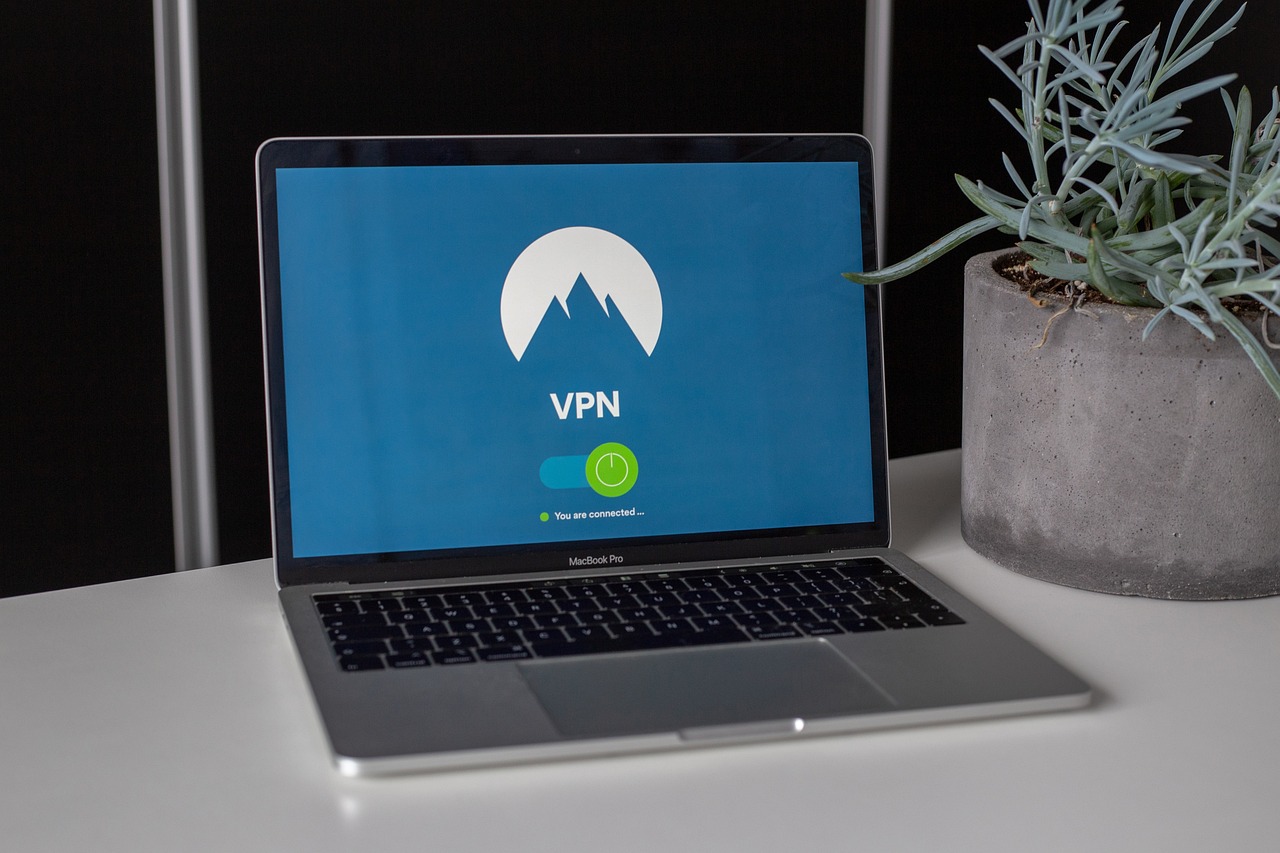
Virtual Private Networks (VPNs) create encrypted tunnels between your device and the internet, protecting data from interception even on unsecured networks. Reputable VPN services like NordVPN, ExpressVPN, and ProtonVPN offer both free and premium tiers.
Enabling HTTPS-only mode in your browser ensures that websites you visit use encrypted connections, adding another security layer. Modern browsers like Chrome, Firefox, and Safari include these features in security settings.
What to Avoid on Public Networks ⚠️
Conducting sensitive transactions like online banking, shopping with credit cards, or accessing confidential work documents on public WiFi creates unnecessary risk. Save these activities for secure, private networks whenever possible.
Automatic connection features that join any available network without user confirmation should be disabled. This prevents your device from connecting to potentially malicious networks designed to mimic legitimate hotspots.
💡 Maximizing Your Free WiFi Experience
Connection speed on public networks varies based on user load, time of day, and infrastructure quality. Testing speeds with applications like Speedtest helps identify the best networks in areas you frequent regularly.
Positioning matters significantly for WiFi performance. Moving closer to access points, minimizing physical obstacles, and avoiding electronic interference sources improves connection stability and speed.
Etiquette and Fair Usage
Businesses offering free WiFi as a courtesy expect reasonable conduct from users. Making modest purchases, limiting session duration during peak hours, and not monopolizing tables supports these establishments’ continued service provision.
Bandwidth-intensive activities like streaming high-definition video or downloading large files can degrade network performance for all users. Being mindful of consumption helps maintain acceptable speeds for everyone.
📱 Government and Municipal WiFi Initiatives
Cities worldwide have launched ambitious programs providing free public internet access. LinkNYC in New York City replaced payphones with WiFi kiosks offering gigabit speeds, while Barcelona’s municipal network covers significant portions of the city.
These initiatives recognize internet access as a fundamental right and economic driver. Providing free connectivity supports education, job seeking, civic engagement, and small business development in underserved communities.
Rural and Underserved Area Programs
Government programs increasingly focus on bridging the digital divide in rural areas. Libraries, community centers, and schools in remote regions often serve as WiFi access points supported by federal and state funding.
Non-profit organizations partner with technology companies to deploy connectivity solutions in developing regions. Projects like Google Station and Facebook’s Express WiFi have brought internet access to millions previously excluded from the digital economy.
🌟 Alternative Free Internet Access Methods
WiFi sharing communities have emerged where members contribute their home network bandwidth, creating reciprocal access networks. Services like Fon pioneered this model, now adopted by major internet service providers worldwide.
Mobile carriers increasingly offer WiFi calling and messaging, allowing communication without cellular service when connected to any wireless network. This feature proves invaluable in areas with poor cellular coverage but available WiFi.
Educational Institution Resources
Universities and colleges typically provide extensive wireless coverage across campuses, often extending network access to surrounding neighborhoods. Some institutions offer community member accounts granting limited network access.
Educational WiFi networks usually feature superior infrastructure compared to commercial hotspots, with higher speeds and better reliability reflecting institutional investment in digital learning infrastructure.
🛡️ Troubleshooting Common Connection Issues
Captive portals requiring login or terms acceptance sometimes fail to display properly, preventing connection completion. Manually navigating to a non-HTTPS website like example.com often triggers the portal to appear.
Network congestion during peak hours causes slow speeds and connection drops. Switching to 5GHz bands when available reduces interference, as these frequencies typically experience less congestion than standard 2.4GHz networks.
Device Configuration Problems
Forgetting and re-adding problematic networks often resolves persistent connection issues. This process clears corrupted credentials and forces your device to establish fresh authentication with the access point.
DNS configuration sometimes prevents successful connections. Switching to public DNS servers like Google’s (8.8.8.8) or Cloudflare’s (1.1.1.1) in network settings can bypass provider-specific DNS issues.
🎯 Future Trends in Free Public WiFi
5G network deployment will transform public internet access, with dramatically increased speeds and capacity. Many experts predict that WiFi and cellular technologies will converge, creating seamless connectivity experiences.
Smart city initiatives integrate WiFi infrastructure with Internet of Things sensors, creating networks that not only provide internet access but also collect data for traffic management, environmental monitoring, and public safety.
Emerging Technologies
WiFi 6 and upcoming WiFi 7 standards promise significantly improved performance in crowded environments. These technologies will make public networks more viable for bandwidth-intensive applications previously impractical on shared connections.
Satellite-based internet services like Starlink may eventually provide global free WiFi access in partnership with municipalities and organizations, eliminating coverage gaps that terrestrial infrastructure cannot economically address.
📊 Comparing Free WiFi Quality Across Locations
| Location Type | Average Speed | Reliability | Security Level |
|---|---|---|---|
| Public Libraries | 25-50 Mbps | High | Medium |
| Coffee Shops | 10-30 Mbps | Medium | Low |
| Airports | 15-40 Mbps | Medium | Low |
| Municipal Networks | 30-100 Mbps | High | Medium |
| Fast Food Chains | 5-20 Mbps | Low-Medium | Low |
🌍 Global Perspectives on Free Internet Access
Countries approach free public WiFi with varying philosophies and implementation strategies. Estonia has positioned itself as a digital society leader, providing extensive free wireless coverage as part of its e-governance infrastructure.
South Korea’s advanced telecommunications infrastructure includes widespread free WiFi in public spaces, supported by government mandates and carrier investments. This connectivity supports the country’s position as a global technology leader.
Developing Nation Initiatives
India’s BharatNet project aims to connect hundreds of thousands of villages with broadband, providing free WiFi access points in rural communities. This massive infrastructure investment seeks to bring digital services to previously unconnected populations.
African nations increasingly recognize internet access as crucial for economic development, with countries like Rwanda deploying extensive free WiFi networks in urban centers and educational institutions.
✅ Best Practices for Safe Free WiFi Usage
- Always verify network names with venue staff before connecting to avoid fake hotspots
- Keep device operating systems and applications updated with latest security patches
- Disable file sharing and AirDrop features when connected to public networks
- Use two-factor authentication on all accounts to add security layers
- Log out of accounts when finished rather than remaining signed in
- Monitor device permissions and revoke access for unnecessary applications
- Enable firewall protection on your device when using public connections
- Consider using privacy screens to prevent visual snooping in crowded spaces
🚀 Making the Most of Limited Connectivity
When free WiFi speeds disappoint, optimization techniques help maximize available bandwidth. Closing unnecessary applications and browser tabs reduces competition for limited connection resources.
Downloading content during off-peak hours when networks experience less congestion improves success rates. Early mornings and late evenings typically offer better performance at popular hotspots.
Browser extensions that block advertisements and tracking scripts significantly reduce data consumption, making slow connections more functional. Tools like uBlock Origin and Privacy Badger enhance both speed and security.
💭 The Social Impact of Free WiFi Access
Free internet access has become a social equity issue, with connectivity increasingly necessary for education, employment, healthcare, and civic participation. Communities without adequate access face growing disadvantages in the digital economy.
Students from households lacking home internet rely heavily on public WiFi for completing assignments and accessing educational resources. Libraries and schools with extended-hours WiFi access help address these homework gap challenges.
Job seekers depend on free internet for application submissions, skills training, and interview scheduling. Employment centers and workforce development programs recognize connectivity as essential infrastructure for reducing unemployment.
Free WiFi has transformed from a convenience to a necessity in modern society, enabling connection, productivity, and access to essential services. Understanding where to find reliable networks, how to use them safely, and what the future holds empowers you to navigate our increasingly connected world confidently and securely.
