
Anúncios
Getting approved for a credit card with a pre-approved limit can be a game-changer for your financial journey and purchasing power.
In today’s financial landscape, credit cards have become essential tools for managing expenses, building credit history, and accessing emergency funds. However, many consumers struggle to understand the intricacies of obtaining credit cards with favorable pre-approved limits. This comprehensive guide explores the strategies, requirements, and insider knowledge that can significantly improve your chances of securing a credit card with a substantial pre-approved limit.
The credit card industry has evolved dramatically over the past decade, with financial institutions becoming more sophisticated in their approval processes. Understanding how these systems work can give you a considerable advantage when applying for new credit products. Whether you’re rebuilding credit, establishing it for the first time, or simply looking to maximize your available credit, the information presented here will provide actionable insights based on industry standards and proven financial practices.
Understanding Pre-Approved Credit Limits 💳
Pre-approved credit limits represent the maximum amount a financial institution is willing to extend to you based on their initial assessment of your creditworthiness. This evaluation occurs before you even submit a formal application, using soft credit inquiries and existing customer data.
Banks and credit card issuers use sophisticated algorithms that analyze multiple data points simultaneously. These systems evaluate your income level, existing debt obligations, payment history, credit utilization ratio, and length of credit history. The resulting pre-approved offer reflects the lender’s confidence in your ability to manage and repay borrowed funds.
Understanding this process is crucial because it helps you recognize which factors you can improve to receive better offers. The pre-approval system is designed to streamline the application process for both consumers and lenders, reducing the time and resources spent on applications that would likely be declined.
The Difference Between Pre-Qualified and Pre-Approved
Many consumers confuse pre-qualification with pre-approval, but these terms represent distinctly different stages in the credit card application process. Pre-qualification is typically a soft inquiry that gives you a general idea of whether you might qualify for a particular card. It doesn’t guarantee approval and usually involves minimal verification of the information you provide.
Pre-approval, conversely, involves a more thorough review of your financial profile. Lenders have already examined your credit report and determined that you meet their specific criteria. While pre-approval doesn’t guarantee final approval—you still need to submit a formal application—it indicates a much higher likelihood of success.
Building a Strong Credit Foundation 🏗️
Your credit score serves as the cornerstone of any pre-approved credit card offer. This three-digit number, ranging from 300 to 850 in most scoring models, represents your creditworthiness to potential lenders. Higher scores unlock better interest rates, higher credit limits, and more favorable terms.
The most widely used credit scoring models—FICO and VantageScore—consider five primary factors when calculating your score. Payment history accounts for approximately 35% of your score, making it the single most important element. Late payments, defaults, and bankruptcies can severely damage your score for years.
Credit utilization, which represents the second most significant factor at roughly 30%, measures how much of your available credit you’re currently using. Financial experts recommend keeping this ratio below 30% across all accounts, though maintaining it below 10% can provide even better results.
Strategic Credit Score Improvement Techniques
Improving your credit score requires consistent effort and strategic planning. Begin by obtaining free copies of your credit reports from the three major credit bureaus: Equifax, Experian, and TransUnion. Federal law entitles you to one free report from each bureau annually through AnnualCreditReport.com.
Review these reports meticulously for errors, which appear on credit reports more frequently than many people realize. Disputes can be filed directly with the credit bureaus if you identify inaccuracies. Successful disputes can remove negative items and potentially increase your score significantly.
Establish automatic payments for all your credit accounts to ensure you never miss a due date. Even a single late payment can drop your score by 50 to 100 points, depending on your overall credit profile. Setting up autopay for at least the minimum payment protects you from this preventable damage.
Optimizing Your Debt-to-Income Ratio 📊
While your debt-to-income (DTI) ratio doesn’t directly affect your credit score, it plays a critical role in credit card approval decisions and the limits you receive. This metric compares your monthly debt obligations to your gross monthly income, expressed as a percentage.
Most credit card issuers prefer applicants with DTI ratios below 36%, though some may approve applicants with ratios up to 43%. Lowering your DTI ratio increases your chances of receiving pre-approved offers with higher credit limits.
Calculate your DTI ratio by adding all monthly debt payments—including mortgages, car loans, student loans, and minimum credit card payments—then dividing that total by your gross monthly income. Multiply the result by 100 to get your percentage.
Strategies for Reducing Your DTI Ratio
Reducing your DTI ratio requires either increasing your income or decreasing your debt, preferably both simultaneously. Consider negotiating a raise at your current position or pursuing side income opportunities that align with your skills and schedule.
On the debt reduction side, employ the avalanche or snowball method to systematically eliminate outstanding balances. The avalanche method prioritizes debts with the highest interest rates, saving you money over time. The snowball method focuses on the smallest balances first, providing psychological wins that maintain motivation.
Avoid taking on new debt while working to improve your DTI ratio. Each new obligation increases the numerator in your DTI calculation, making it harder to achieve the favorable ratios that attract pre-approved credit card offers with substantial limits.
Selecting the Right Credit Card for Your Profile ✨
Not all credit cards are created equal, and applying for products that don’t match your credit profile can result in unnecessary hard inquiries and rejections. Research cards specifically designed for your current credit situation.
Secured credit cards serve as excellent starting points for individuals with limited or damaged credit histories. These cards require a cash deposit that typically serves as your credit limit, minimizing risk for the issuer while allowing you to build positive payment history.
Student credit cards cater to young adults establishing credit for the first time, often featuring lower credit limits but more lenient approval requirements. Rewards cards, travel cards, and premium cards typically require good to excellent credit scores, generally above 670.
Researching Pre-Approval Opportunities
Many major credit card issuers offer online pre-qualification tools that allow you to check for pre-approved offers without impacting your credit score. These tools use soft inquiries to assess your eligibility for various products in their portfolio.
Visit the websites of major issuers like Chase, American Express, Capital One, Discover, and Citibank to access their pre-qualification platforms. You’ll typically need to provide basic information including your name, address, Social Security number, and annual income.
Credit card comparison websites also aggregate pre-approval opportunities from multiple issuers, streamlining your research process. However, ensure you’re using reputable platforms that employ secure data practices to protect your personal information.
Timing Your Credit Card Applications 📅
Strategic timing can significantly impact your approval odds and the credit limits you receive. Applying during periods when your financial profile looks strongest maximizes your chances of favorable outcomes.
Consider applying after receiving a salary increase or bonus, as you can report higher income on your application. Credit card issuers typically don’t require extensive income verification for most consumer cards, relying instead on the information you provide.
Avoid applying for multiple credit cards within short timeframes. Each application typically generates a hard inquiry on your credit report, temporarily lowering your score by a few points. Multiple hard inquiries within a short period can signal financial distress to potential lenders.
Understanding Application Velocity Rules
Major credit card issuers implement velocity rules that limit how many cards you can obtain within specific timeframes. Chase, for example, enforces the “5/24 rule,” automatically declining applicants who have opened five or more credit cards across all issuers in the past 24 months.
American Express typically limits applicants to two credit cards within 90 days and caps new cardholders at five total credit cards. Understanding these restrictions helps you plan your application strategy to avoid unnecessary rejections.
Space your applications at least three to six months apart when possible. This approach minimizes the impact on your credit score and demonstrates responsible credit-seeking behavior to potential lenders.
Maximizing Your Income Reporting 💰
Accurately reporting all eligible income sources on your credit card application can substantially increase your approved credit limit. The CARD Act of 2009 allows applicants aged 21 and older to include various income sources beyond traditional employment.
Eligible income includes salary, wages, bonuses, tips, commissions, investment income, retirement distributions, Social Security benefits, alimony, child support, and regular deposits from others in your household. Students and stay-at-home parents can include household income they have reasonable access to.
Document your income claims with recent pay stubs, tax returns, or bank statements showing regular deposits. While issuers rarely request this documentation upfront, having it available demonstrates the accuracy of your reported figures if questions arise.
Leveraging Existing Banking Relationships 🤝
Consumers who maintain checking and savings accounts with a particular bank often receive preferential treatment when applying for that institution’s credit cards. Banks can view your account history, average balances, and transaction patterns, providing additional confidence in your financial responsibility.
These existing relationships frequently result in pre-approved credit card offers with higher limits than you might receive as a completely new customer. Banks want to deepen their relationships with reliable customers by cross-selling additional products.
Consider consolidating your banking activities with institutions that offer attractive credit card products aligned with your goals. However, maintain these accounts responsibly for several months before applying for credit products to establish a positive relationship history.
The Power of Reconsideration
If your initial credit card application receives a denial or offers a lower limit than expected, don’t immediately accept that outcome. Most major issuers maintain reconsideration lines staffed by specialists who can review your application with fresh eyes.
Call the reconsideration line within 30 days of your application decision. Politely explain why you believe you deserve approval or a higher limit, emphasizing positive aspects of your financial profile that the automated system might have underweighted.
Prepare to discuss your income, employment stability, existing relationship with the bank, and reasons for any negative marks on your credit report. Representatives have some discretion to override initial decisions, particularly for borderline applications.
Maintaining and Growing Your Credit Limits 📈
Securing your first pre-approved credit card represents just the beginning of your credit-building journey. Responsible usage patterns can lead to automatic credit limit increases and additional pre-approved offers with even better terms.
Use your credit cards regularly but moderately, keeping balances well below your limits. Pay your full statement balance each month to avoid interest charges while demonstrating strong repayment capacity. This behavior signals to issuers that you can handle increased credit responsibly.
Many issuers automatically review accounts for credit limit increases every six to twelve months. These reviews consider your payment history, spending patterns, income growth, and overall credit profile improvements since your account opening.
Requesting Manual Credit Limit Increases
You don’t need to wait for automatic increases if your financial situation has improved significantly. Most issuers allow you to request credit limit increases through their online platforms or customer service lines.
Time these requests strategically, ideally after at least six months of perfect payment history with the issuer. Be prepared to provide updated income information and explain any positive changes in your financial circumstances.
Understand whether the issuer performs hard or soft inquiries for credit limit increase requests. Hard inquiries temporarily impact your credit score, so consider whether the potential limit increase justifies this short-term effect.
Avoiding Common Credit Card Pitfalls ⚠️
Obtaining a credit card with a pre-approved limit comes with responsibilities that many new cardholders underestimate. Falling into common traps can quickly negate the benefits of credit card ownership and damage your financial health.
Carrying balances month-to-month leads to expensive interest charges that can snowball quickly. Credit card annual percentage rates (APRs) typically range from 15% to 25% or higher, making carried balances one of the most expensive forms of consumer debt.
Maxing out your credit cards severely damages your credit utilization ratio, even if you make minimum payments on time. This behavior can drop your credit score by 50 to 100 points and prevent future pre-approved offers with favorable terms.
Creating Sustainable Credit Card Habits
Treat your credit card like a debit card, only charging amounts you can afford to pay in full when the statement arrives. This approach allows you to enjoy credit card benefits—purchase protection, rewards, convenience—without accumulating expensive debt.
Set up account alerts through your issuer’s mobile app or website to monitor transactions in real-time. These notifications help you detect fraudulent charges quickly and maintain awareness of your spending patterns.
Review your statements thoroughly each month, checking for errors, unauthorized charges, and spending trends that might indicate you’re living beyond your means. This monthly audit keeps you engaged with your finances and promotes accountability.
Unlocking Premium Card Opportunities 🎯
As your credit profile strengthens through responsible credit card management, you’ll gain access to premium cards offering substantial benefits beyond basic credit cards. These products typically require excellent credit scores above 720 and significant income levels.
Premium cards often feature higher annual fees—sometimes $500 or more—but offset these costs with valuable perks including airport lounge access, travel credits, concierge services, and elevated rewards rates. Evaluate whether the benefits justify the costs based on your lifestyle and spending patterns.
Pre-approved offers for premium cards represent significant milestones in your credit journey, indicating that major issuers view you as a highly creditworthy customer. These offers typically include substantial credit limits, often $10,000 or more, reflecting the issuer’s confidence in your financial stability.
Building toward these premium opportunities requires patience and consistent financial discipline. Continue the positive habits that earned your initial credit cards, gradually expanding your credit profile while maintaining low utilization ratios and perfect payment histories. The premium card market rewards sustained excellence rather than short-term gains.
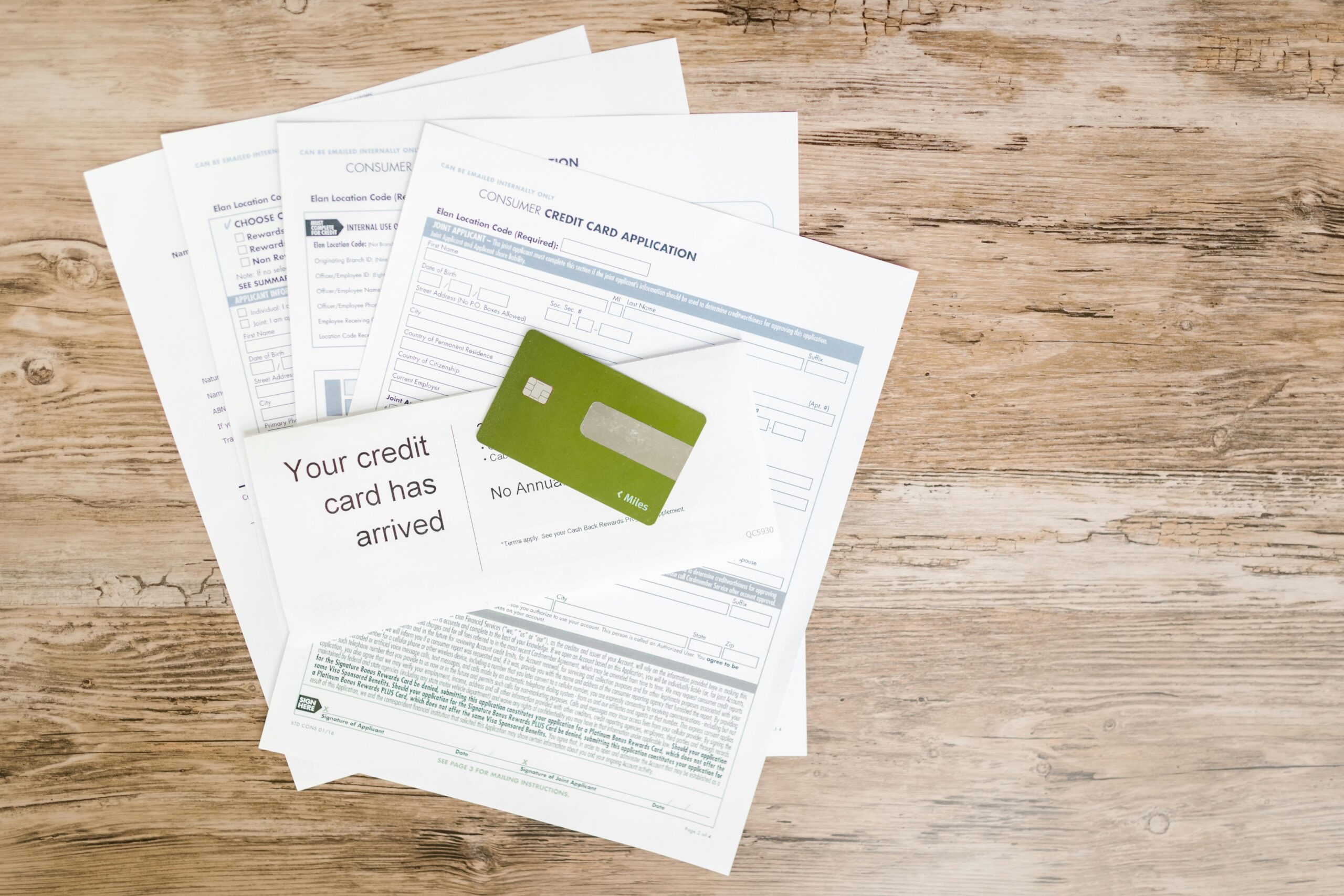
Your Path to Credit Success Starts Today 🚀
Securing a credit card with a favorable pre-approved limit requires understanding the factors that influence lending decisions and strategically optimizing your financial profile. The journey from credit beginner to premium cardholder doesn’t happen overnight, but each positive action compounds over time.
Focus on the fundamentals: pay all bills on time, keep credit utilization low, gradually build your credit history, minimize debt obligations, and accurately report all eligible income. These core principles form the foundation of creditworthiness that attracts pre-approved offers with substantial limits and favorable terms.
Remember that credit cards are financial tools that can either enhance or damage your financial health depending on how you use them. Approach credit with respect, understanding both its benefits and its risks. Used responsibly, credit cards provide convenience, protection, rewards, and the credit history necessary for major purchases like homes and vehicles.
Monitor your progress regularly through free credit monitoring services and annual credit report reviews. Celebrate milestones like credit score increases and limit expansions, as these represent tangible evidence of your growing financial credibility. The strategies outlined in this guide provide a roadmap, but your commitment to implementation determines your ultimate success in the credit card marketplace.
