
Anúncios
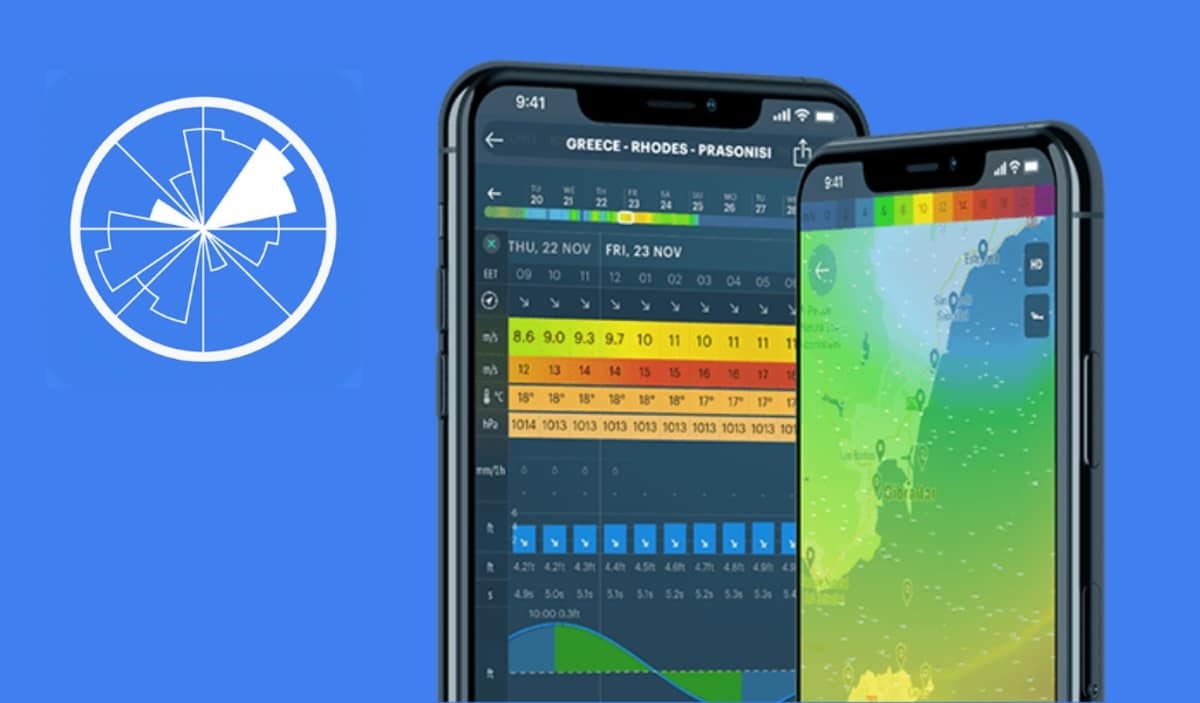
Fishing has evolved beyond rods and patience—today’s anglers leverage technology to increase their catch rates. Free fishing apps provide weather forecasts, tide charts, catch logs, and GPS mapping, transforming how enthusiasts approach their favorite waters.
<strong>Free Fishing App 🎣</strong>
Modern fishing apps combine social networking with practical tools, allowing users to discover hotspots, learn techniques, and connect with fellow anglers worldwide. These platforms democratize expert knowledge, making advanced fishing strategies accessible to beginners and seasoned fishermen alike.
Whether you’re targeting bass in freshwater lakes or chasing saltwater species along coastal waters, the right app can dramatically improve your success rate. From predicting fish activity patterns to identifying species through photo recognition, these digital companions have become indispensable for serious anglers seeking consistent results.
📱 Essential Features That Make Fishing Apps Valuable
Quality fishing applications share core functionalities that distinguish them from simple weather trackers. Understanding these features helps anglers select tools that genuinely enhance their fishing experience rather than cluttering their devices with redundant software.
Weather integration stands paramount among useful features. Fish behavior responds dramatically to atmospheric pressure changes, temperature fluctuations, and wind patterns. Applications that aggregate multiple weather data sources provide predictive insights into feeding windows and fish movement patterns throughout the day.
GPS mapping with offline capabilities ensures anglers never lose track of productive spots, even in areas with poor cellular coverage. Advanced mapping includes bathymetric charts showing underwater topography, vegetation density, and structural elements like submerged logs or rock formations where predatory fish ambush prey.
🗺️ Mapping Technology and Location Intelligence
Premium fishing apps incorporate detailed water body maps with depth contours, allowing users to identify drop-offs, channels, and underwater structures without expensive dedicated fish finders. These maps often include user-generated waypoints marking successful catch locations, creating collaborative knowledge repositories.
Satellite imagery overlays provide visual context for understanding shoreline structure, access points, and seasonal vegetation changes. Some applications integrate real-time data streams showing current water levels, flow rates in rivers, and recent stocking reports from fisheries management authorities.
🐟 Species Identification and Catch Logging
Photo recognition technology powered by machine learning algorithms enables instant species identification. Anglers simply photograph their catch, and the app provides species name, average size ranges, habitat preferences, and relevant fishing regulations including size limits and bag restrictions.
Digital catch logs replace traditional paper journals, automatically recording date, time, location, weather conditions, and lure selections. This data accumulation reveals personalized patterns—which techniques produce results under specific conditions, seasonal hotspot migrations, and individual skill progression over time.
🌊 Understanding Tides, Weather, and Fish Activity
Successful fishing requires understanding how environmental factors influence fish behavior. Modern applications synthesize complex meteorological and astronomical data into actionable predictions about optimal fishing times.
Solunar theory, incorporated into many fishing apps, predicts peak feeding periods based on moon phases and positions. Major feeding periods occur during moon overhead and underfoot positions, while minor periods happen during moonrise and moonset. Applications calculate these windows specific to user locations, eliminating guesswork.
Barometric pressure tracking proves particularly valuable for predicting fish activity. Falling pressure preceding weather fronts typically triggers aggressive feeding as fish sense approaching storms. Apps alert users to these pressure changes, providing time windows to capitalize on increased activity before conditions deteriorate.
🌡️ Temperature Thresholds and Seasonal Patterns
Water temperature directly affects fish metabolism and feeding intensity. Applications displaying temperature data help anglers understand when species enter optimal feeding ranges. For example, bass become increasingly active as water temperatures approach 60-75°F, while trout prefer cooler conditions between 50-65°F.
Seasonal migration patterns programmed into fishing apps guide anglers toward appropriate depths and locations throughout the year. Spring spawning movements, summer deep-water retreats, fall feeding frenzies, and winter dormancy periods all influence where fish concentrate and how aggressively they feed.
🎣 Social Features That Connect Fishing Communities
Fishing apps have evolved beyond solitary tools into thriving social networks where anglers share experiences, techniques, and discoveries. These community features multiply individual knowledge through collective intelligence.
Real-time catch reports from nearby anglers provide immediate intelligence about what species are biting, which lures are producing results, and where fish are actively feeding. This crowdsourced information proves especially valuable when visiting unfamiliar waters or targeting new species.
Photography galleries inspire technique refinement through visual learning. Observing how successful anglers present lures, set hooks, and handle fish during landing sequences accelerates skill development more effectively than text descriptions alone.
👥 Finding Fishing Partners and Local Experts
Many applications include messaging systems and event coordination tools that help anglers find companions for fishing trips. Solo fishing has merits, but partnering with experienced local anglers accelerates learning and provides safety advantages in remote locations.
Mentor-matching features connect beginners with experienced anglers willing to share knowledge. These relationships often develop into lasting friendships while preserving fishing traditions through intergenerational knowledge transfer.
🛠️ Advanced Tools for Serious Anglers
Beyond basic features, sophisticated fishing applications offer specialized tools that appeal to dedicated enthusiasts pursuing specific techniques or target species.
Trolling speed calculators help anglers maintain optimal lure presentation speeds for specific techniques. GPS-tracked speed monitoring ensures consistency during productive passes, allowing precise replication of successful approaches.
Knot-tying libraries with animated instructions teach proper techniques for various connections. Strong, reliable knots prevent lost fish and lures, making this knowledge essential for consistent success. Applications offering slow-motion demonstrations help users master complex knots like the Albright, Bimini Twist, or FG Knot.
📊 Data Analytics and Pattern Recognition
Advanced applications analyze accumulated catch data to reveal personalized patterns invisible during individual fishing sessions. Aggregated over months or years, this information highlights most productive moon phases, optimal wind directions, successful lure color patterns under various water clarity conditions, and countless other variables affecting catch rates.
Predictive algorithms suggest optimal times and locations based on historical success patterns combined with current conditions. These recommendations continuously improve as the database expands, creating increasingly accurate forecasting tailored to individual fishing styles.
🔍 Top Free Fishing Apps Worth Downloading
Several applications stand out for delivering exceptional value without requiring premium subscriptions. While paid tiers unlock additional features, free versions provide substantial functionality for recreational anglers.
Fishbrain leads the social fishing app category with millions of users worldwide. Its free tier includes basic mapping, catch logging, species identification, and access to community catch reports. The extensive user base ensures current information availability across diverse fishing locations globally.
Fishing Points combines detailed lake maps with catch predictions, weather forecasts, and tackle recommendations. The free version provides comprehensive mapping for thousands of water bodies, making it particularly valuable for anglers exploring new fishing destinations.
🌟 Specialized Apps for Specific Fishing Styles
FishAngler caters specifically to tournament anglers with features supporting competitive fishing including real-time leaderboards, tournament registration, and sponsor connections. Recreational anglers benefit from its robust catch logging and social features without tournament participation.
iAngler provides marine-focused features including tide predictions, offshore structure maps, and saltwater species databases. Coastal and offshore anglers appreciate its integration of NOAA data, reef coordinates, and wreck locations supporting bottom fishing and pelagic pursuits.
Pro Angler emphasizes instructional content with technique videos, seasonal strategies, and equipment reviews integrated alongside standard mapping and logging functions. This educational focus accelerates skill development for anglers committed to continuous improvement.
⚖️ Understanding Fishing Regulations Through Apps
Navigating complex fishing regulations across multiple jurisdictions challenges even experienced anglers. Fishing apps increasingly incorporate regulatory information, helping users maintain compliance while maximizing legal harvest opportunities.
License verification features store digital copies of fishing permits, eliminating concerns about forgotten paperwork during encounters with conservation officers. Some jurisdictions officially recognize digital licenses displayed through approved applications.
Species-specific regulation databases detail size limits, bag limits, seasonal closures, and special restrictions for hundreds of species across various water bodies. Location-aware features automatically display relevant regulations based on GPS coordinates, preventing accidental violations when fishing near jurisdictional boundaries.
📋 Catch Reporting and Conservation Contributions
Many regions require or encourage catch reporting to support fisheries management and conservation efforts. Applications streamline this reporting process, often allowing one-tap submission of catch data that contributes to population monitoring and regulation development.
Participating in citizen science initiatives through fishing apps helps anglers feel connected to larger conservation efforts. Understanding how personal catch data influences fisheries management decisions creates investment in sustainable practices and long-term resource health.
🔋 Maximizing Battery Life During Extended Fishing Trips
Fishing apps’ GPS tracking, real-time data updates, and camera functions consume significant battery power. Implementing strategic battery management ensures technology remains available throughout fishing sessions.
Downloading offline maps before departing eliminates continuous data connectivity requirements, substantially reducing battery drain. Most fishing applications support offline mode, allowing full functionality without cellular service while preserving battery life.
Portable battery packs or solar chargers provide insurance against mid-day power depletion. Modern high-capacity portable chargers deliver multiple full phone charges from compact, waterproof packages suited to fishing environments.
💧 Protecting Devices in Wet Environments
Water resistance varies dramatically across smartphone models. Even water-resistant devices benefit from additional protection through waterproof cases or dry bags with touchscreen-compatible windows allowing device operation without exposure.
Protective measures extend beyond water resistance to include shock absorption, screen protection, and secure mounting systems. Rod-mounted phone holders, tackle box integrated cradles, and lanyard attachments prevent accidental loss overboard during hook-setting moments or boat movements.
🎯 Practical Tips for First-Time Fishing App Users
New users sometimes feel overwhelmed by fishing app feature density. Strategic adoption focusing on core functionalities before exploring advanced tools ensures positive initial experiences.
Begin with basic catch logging to build personal fishing history. Consistent recording establishes baseline data that becomes increasingly valuable as patterns emerge over time. Even simple entries noting location, species, and conditions provide useful references during future trip planning.
Explore mapping features by reviewing water bodies you already know well. Comparing app representations against familiar locations builds confidence in map accuracy and interpretation skills before relying on digital maps in unfamiliar territories.
🌐 Balancing Technology with Traditional Skills
Fishing apps enhance rather than replace fundamental angling skills. Technology provides information and suggestions, but success still requires proper casting technique, lure presentation, fish-fighting skills, and watercraft knowledge.
Experienced anglers recommend periodically fishing without technology to maintain traditional observational skills. Reading water conditions, interpreting wildlife behavior, and developing intuitive understanding of fish locations complement technological tools rather than becoming dependent on them.
🚀 Future Developments in Fishing Technology
Fishing applications continue evolving with emerging technologies promising even greater capabilities. Understanding development trajectories helps anglers anticipate coming improvements and plan technology investments accordingly.
Artificial intelligence integration will enable increasingly sophisticated catch predictions based on vast datasets incorporating historical patterns, current conditions, and real-time catch reports. Machine learning algorithms will identify subtle correlations invisible to human analysis, suggesting optimal strategies with remarkable accuracy.
Augmented reality features may overlay underwater structure visualizations, fish location predictions, and optimal casting trajectory guides directly onto smartphone camera views. This technology could revolutionize how anglers understand and interact with fishing environments.
🔗 Integration with Smart Fishing Gear
Connected fishing equipment including smart rods, intelligent reels, and sensor-equipped lures will integrate with fishing apps, providing real-time performance data. Strike detection, retrieve speed monitoring, and lure depth tracking will feed directly into application analytics, creating comprehensive performance pictures.
Underwater drones equipped with cameras and fish-finding sonar may interface with fishing apps, allowing remote scouting of potential spots before committing time and effort. This technology could dramatically reduce unproductive fishing time while protecting sensitive environments from unnecessary disturbance.
🎓 Learning Resources Within Fishing Applications
Many fishing apps extend beyond tools to become comprehensive educational platforms. Integrated learning resources accelerate skill development through structured instruction and on-demand reference materials.
Video tutorials covering knot tying, fish handling, filleting techniques, and species-specific tactics provide visual learning opportunities accessible streamside. Watching expert demonstrations during actual fishing situations enables immediate practical application of new techniques.
Species databases detail habitat preferences, feeding behaviors, seasonal patterns, and recommended tackle selections for hundreds of fish species. This reference information helps anglers quickly adapt when encountering unfamiliar species or fishing new water types.
📚 Building Fishing Knowledge Systematically
Progressive learning paths within applications guide beginners through foundational skills before advancing to complex techniques. Structured curricula ensure proper skill sequencing, preventing frustration from attempting advanced methods without adequate preparation.
Achievement systems and skill badges gamify the learning process, providing motivation and recognizing progression milestones. These psychological reinforcements encourage continued practice and exploration of diverse fishing approaches.
🌍 Exploring New Waters Confidently with Technology
Fishing apps empower anglers to explore unfamiliar waters with confidence previously reserved for local experts. Access to detailed maps, community knowledge, and species information reduces intimidation associated with fishing new locations.
Trip planning features help anglers research potential destinations, identifying public access points, available species, typical catch sizes, and required tackle before departing. This preparation maximizes limited fishing time and increases success probability during vacation fishing adventures.
Translation features in global fishing apps facilitate communication with local anglers and understanding of foreign-language regulations when fishing internationally. Breaking down language barriers expands accessible fishing opportunities worldwide.
🏆 Enhancing Fishing Success Through Consistent App Usage
Fishing applications deliver maximum value through consistent, long-term usage rather than sporadic consultation. Developing habits around regular logging, pattern analysis, and community engagement transforms these tools from novelties into essential fishing companions.
Immediate post-catch logging captures accurate details before memory fades. Recording water temperature, sky conditions, lure specifics, and fish behavior immediately following each catch builds comprehensive, reliable databases supporting future decision-making.
Regular review of personal catch history before fishing trips refreshes memory about previously successful approaches. Reviewing what worked during similar conditions, seasons, or moon phases provides strategic starting points rather than random experimentation.
Engaging with fishing app communities through sharing catches, commenting on others’ posts, and asking questions develops relationships and knowledge networks. These connections often yield location-specific insights unavailable through application features alone, creating synergistic value combining technology with human expertise.
Free fishing apps democratize expert knowledge and powerful analytical tools once available only to professional anglers and fishing guides. By leveraging weather data, mapping technology, community intelligence, and educational resources, recreational anglers significantly improve their catch rates and overall fishing experiences without financial investment beyond their existing smartphones.
