
Anúncios
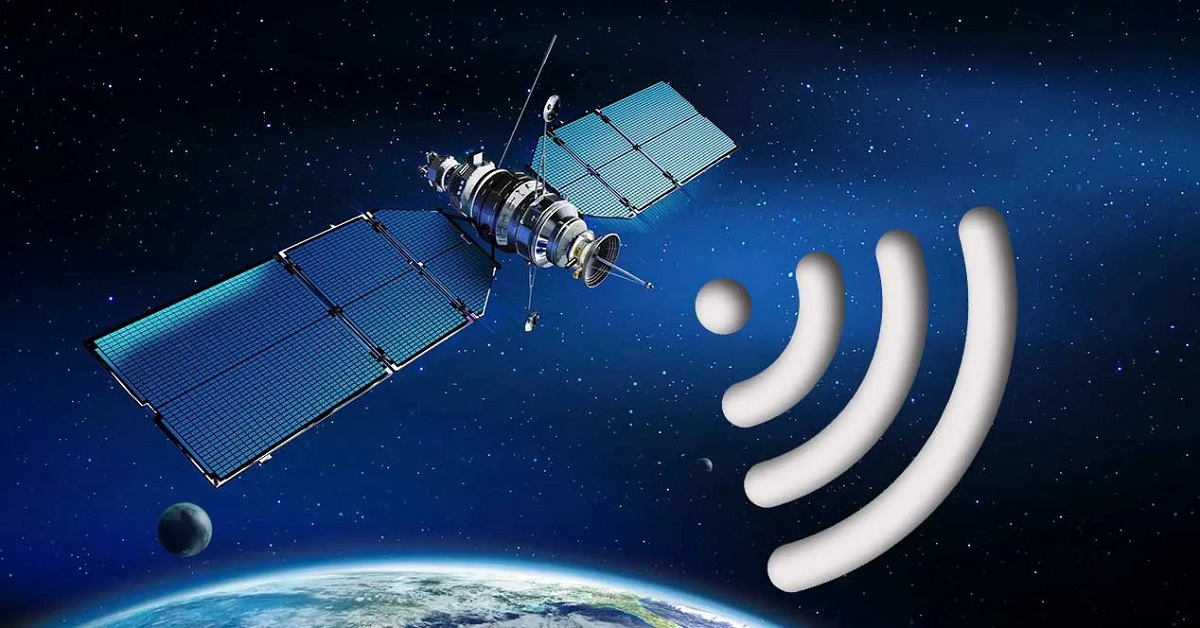
Imagine a world where you’re never disconnected. Free WiFi everywhere is no longer just a dream—it’s becoming a reality in cities worldwide.
Finding Free WiFi Hotspots Near You
Discover WiFi Options
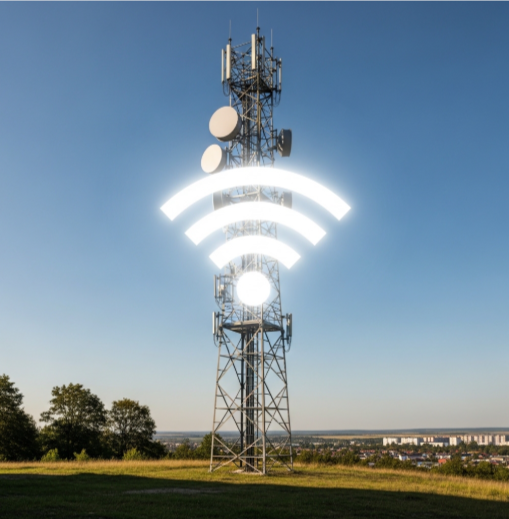
The digital age has transformed how we work, communicate, and entertain ourselves. Staying connected isn’t just convenient anymore—it’s essential. Whether you’re a digital nomad, a student, a traveler, or someone who simply wants to save on mobile data, access to free WiFi can be a game-changer.
From bustling coffee shops to quiet libraries, airports to public parks, free wireless internet has become increasingly available. But knowing where to find it, how to access it safely, and what tools can help you stay connected requires some insider knowledge. Let’s dive deep into the world of free WiFi and discover how you can stay online without breaking the bank.
📍 Where to Find Free WiFi Hotspots
Free WiFi networks are more abundant than you might think. The key is knowing where to look and which locations consistently offer reliable connections.
Coffee Shops and Restaurants
Major chains like Starbucks, McDonald’s, and Dunkin’ have made free WiFi a standard offering. These establishments understand that providing internet access keeps customers longer and encourages repeat visits. Most require no password, though some may ask you to accept terms and conditions before connecting.
Independent coffee shops often provide WiFi as well, sometimes with passwords displayed on receipts or posted near the counter. The connection quality can vary, but these locations typically offer a comfortable environment for working or browsing.
Public Libraries and Educational Institutions
Libraries remain one of the most reliable sources of free internet access. Most public libraries offer WiFi both inside their buildings and in surrounding outdoor areas. Many have extended their networks to cover parking lots, making it possible to access the internet even outside operating hours.
University campuses frequently provide guest WiFi networks accessible to visitors. These connections are often faster and more stable than commercial hotspots, though access policies vary by institution.
Transportation Hubs
Airports, train stations, and bus terminals increasingly offer complimentary WiFi to travelers. Major airports provide free access for limited periods, with some offering unlimited duration. The quality can be inconsistent during peak travel times, but it’s generally sufficient for checking emails and browsing.
Many public transportation systems now equip buses, trains, and subway cars with onboard WiFi. Cities like New York, London, and Tokyo have made significant investments in keeping commuters connected during their journeys.
🗺️ Best Apps for Finding Free WiFi
Technology has made discovering free WiFi networks easier than ever. Several applications specialize in mapping hotspots and providing connection information.
WiFi Map: The Community-Powered Solution
WiFi Map stands out as one of the most comprehensive tools available. With a database of over 150 million hotspots worldwide, this crowdsourced app allows users to share WiFi passwords and locations. You can download offline maps for specific cities, ensuring access to information even without an internet connection.
The app displays nearby networks on an interactive map, showing distance, connection quality ratings, and user comments. This community feedback helps you avoid dead zones and unreliable networks before you waste time trying to connect.
Instabridge: Automatic Connections Made Simple
Instabridge takes convenience further by automatically connecting you to trusted WiFi networks as you move around. The app maintains a database of passwords shared by millions of users and handles the connection process in the background.
Security features include encryption and authentication verification, addressing common concerns about connecting to unknown networks. The interface is clean and intuitive, making it accessible even for less tech-savvy users.
Wiman: Speed Testing and Quality Metrics
Wiman combines hotspot discovery with performance analytics. Before connecting, you can view speed test results from other users, helping you choose the fastest available network. The app covers over 60 million hotspots across the globe.
Premium features include VPN protection and ad-free browsing, though the basic version provides all essential functionality at no cost.
🔒 Staying Safe on Public WiFi Networks
Free WiFi comes with security risks that shouldn’t be ignored. Understanding these dangers and taking appropriate precautions protects your personal information and devices.
Common Security Threats
Man-in-the-middle attacks occur when hackers intercept data transmitted between your device and the WiFi router. This allows them to capture passwords, credit card numbers, and other sensitive information. Fake hotspots, created by cybercriminals to mimic legitimate networks, trick users into connecting and unknowingly sharing their data.
Unencrypted networks transmit information in plain text, making it easy for anyone with basic technical knowledge to monitor your online activity. Even seemingly harmless browsing can reveal patterns and personal details to observers.
Essential Protection Measures
Using a Virtual Private Network (VPN) encrypts your internet traffic, creating a secure tunnel between your device and the websites you visit. Quality VPN services prevent hackers from intercepting your data, even on unsecured networks. Options like NordVPN, ExpressVPN, and ProtonVPN offer reliable protection, though free alternatives exist with limited features.
Always verify network names with staff before connecting. Hackers often create networks with names similar to legitimate ones, hoping users won’t notice the subtle difference. Confirming the correct SSID takes only a moment but significantly reduces risk.
Disable automatic WiFi connections in your device settings. This prevents your phone or laptop from joining networks without your knowledge, including potentially dangerous ones. Manual connection gives you control over when and where you go online.
💡 Maximizing Your Free WiFi Experience
Getting the most from free wireless networks involves more than just connecting—it requires strategic planning and smart usage habits.
Optimizing Connection Speed
Position yourself closer to the router when possible. WiFi signals weaken with distance and obstruction, so finding a spot with fewer walls and less interference improves performance. In coffee shops, seats near the counter often provide the strongest signals.
Disconnect when not actively using the internet. This frees up bandwidth for other users and can improve speeds when you reconnect. Many networks limit the number of simultaneous devices, so being a considerate user benefits everyone.
Download content during off-peak hours. Early mornings and late evenings typically see less network congestion, making these ideal times for large downloads or updates.
Data Management Strategies
Prioritize essential tasks on public networks. Save bandwidth-intensive activities like streaming high-definition video or downloading large files for more secure connections. Use free WiFi for email, browsing, and social media to conserve mobile data for times when you need it most.
Enable data compression in your browser. Features like Chrome’s Lite Mode reduce the amount of data transferred, making pages load faster on slower connections. This also extends your mobile data when you do switch back to cellular.
🌍 Free WiFi Around the World
Different countries and cities approach public internet access uniquely, with some leading the way in connectivity initiatives.
Leading Smart Cities
Seoul, South Korea offers free WiFi throughout the city, including parks, subway stations, and tourist attractions. The network covers over 10,000 locations, making it one of the world’s most connected cities. Speeds are competitive, and the service is available to residents and visitors alike.
Tallinn, Estonia provides free public WiFi across the capital, part of the country’s commitment to digital infrastructure. The Baltic nation has embraced technology in governance and daily life, with internet access considered a basic right.
New York City’s LinkNYC project has transformed old payphones into WiFi hotspots, offering gigabit-speed connections throughout the five boroughs. Thousands of kiosks now provide free internet, phone calls, and device charging, revolutionizing urban connectivity.
Innovative Programs
Many municipalities partner with telecommunications companies to expand free WiFi access. These public-private collaborations often subsidize installations in underserved neighborhoods, addressing digital divide issues.
Community WiFi projects in developing nations bring internet access to remote areas through creative solutions like solar-powered routers and mesh networks. Organizations like Internet.org and local initiatives work to connect billions of people currently offline.
📱 Creating Your Own Mobile Hotspot Strategy
While finding free WiFi is valuable, having backup options ensures you’re never truly disconnected when it matters most.
Mobile Data Plans with Hotspot Capabilities
Many cellular plans now include mobile hotspot features that turn your smartphone into a portable WiFi source. This provides security and reliability that public networks can’t match, though it consumes your data allowance.
Comparing plans reveals significant differences in hotspot data limits and speeds. Some carriers throttle hotspot connections or charge extra for the feature, while others include generous allowances. Understanding your usage patterns helps select the right plan.
Portable WiFi Devices
Dedicated mobile hotspot devices, also called MiFi units, offer an alternative to phone-based tethering. These gadgets connect to cellular networks and create WiFi signals for multiple devices. Battery life typically exceeds smartphones, making them ideal for extended use.
International travelers benefit from portable routers that accept SIM cards from different countries. This eliminates the need to hunt for WiFi abroad while avoiding expensive roaming charges from home carriers.
🏢 Free WiFi in the Business Context
Companies increasingly recognize that offering complimentary internet access drives customer engagement and loyalty.
Retail Strategies
Shopping centers and retail stores use WiFi to enhance the customer experience while gathering valuable data. When you connect, businesses can track foot traffic patterns, dwell times, and return visits. This information shapes marketing strategies and store layouts.
Some retailers require email addresses or social media logins to access WiFi. While this creates friction, it builds marketing databases and provides demographic insights. Understanding this trade-off helps you decide when to connect and what information to share.
Hospitality Industry Standards
Hotels once charged premium rates for internet access, but free WiFi has become an expectation rather than a perk. Customer reviews heavily weight connectivity quality, pushing establishments to invest in robust networks.
Tiered service models are emerging, with basic free access complemented by paid premium options offering faster speeds and dedicated bandwidth. Business travelers often find these upgrades worthwhile for video conferencing and large file transfers.
🔧 Troubleshooting Common WiFi Connection Issues
Even when free networks are available, technical problems can prevent successful connections. Knowing how to resolve common issues saves frustration.
Login Page Problems
Captive portals—the login pages that appear before granting internet access—sometimes fail to load properly. This occurs when your device caches old information or browsers block the redirect. Opening an incognito or private browsing window often resolves the issue by forcing a fresh connection attempt.
Manually navigating to a non-HTTPS website can trigger the login page if it doesn’t appear automatically. Try visiting “http://example.com” or similar addresses that don’t use encryption, as these more reliably activate captive portals.
Weak or Unstable Signals
Intermittent connections frustrate users trying to complete tasks. Moving to different locations within the venue often improves signal strength. Walls, metal structures, and other electronic devices interfere with WiFi, so finding clear line-of-sight to routers helps.
Forgetting and rejoining networks clears corrupted connection data stored on your device. This simple reset resolves many persistent problems without requiring technical expertise.
🎯 The Future of Free WiFi Access
Technology continues evolving, promising even greater connectivity in coming years. Understanding emerging trends helps you prepare for the next generation of wireless access.
5G and WiFi 6 Integration
The rollout of 5G cellular networks and WiFi 6 standard creates faster, more reliable connections. These technologies handle higher device densities, crucial as the Internet of Things expands and more gadgets compete for bandwidth.
Cities are beginning to deploy WiFi 6 in public spaces, offering speeds that rival home broadband. This infrastructure supports everything from augmented reality tourism experiences to real-time translation services.
Expanded Municipal Programs
More governments view internet access as essential infrastructure, similar to roads and utilities. Initiatives to provide free citywide WiFi are gaining momentum, funded through various models including advertising, public funding, and telecommunications partnerships.
Rural connectivity projects aim to bridge the digital divide, bringing wireless internet to underserved areas. Satellite-based solutions and long-range wireless technologies make previously impossible connections feasible and affordable.
💭 Making the Most of Your Connected Life
Free WiFi everywhere represents more than just cost savings—it’s about freedom, flexibility, and staying connected to what matters. Whether you’re working remotely from a beachside café, video calling family while traveling, or simply browsing without worrying about data limits, accessible wireless internet opens possibilities.
The key lies in knowing where to find networks, which tools make discovery easier, and how to protect yourself while online. Armed with apps that map millions of hotspots, security practices that guard your information, and troubleshooting knowledge to overcome technical hurdles, you’re prepared to navigate our increasingly connected world.
As technology advances and more cities embrace connectivity as a public service, the vision of truly universal free WiFi moves closer to reality. Until then, the resources and strategies outlined here ensure you can find reliable internet access wherever your journey takes you. Stay connected, stay safe, and make the most of the wireless world around you! 🌐
