
Anúncios
Staying connected has become essential in our modern lives, whether for work, entertainment, or simply keeping in touch with loved ones. WiFi internet anywhere transforms how we experience connectivity beyond traditional boundaries.
Modern Solutions for Constant Connectivity
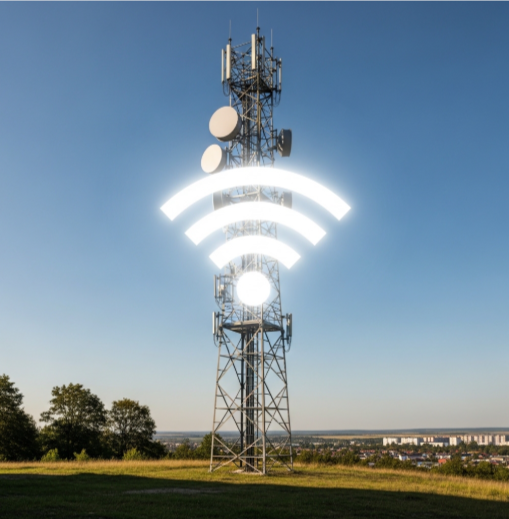
Discover WiFi Options
The digital revolution has redefined our expectations regarding internet access. No longer confined to offices or homes, connectivity now follows us everywhere—from mountain peaks to ocean cruises, from rural farmlands to bustling city streets. This transformation represents one of the most significant technological achievements of our generation.
Understanding the various methods and technologies available for accessing WiFi anywhere empowers individuals and businesses to make informed decisions. Whether you’re a digital nomad, a frequent traveler, or simply someone who values uninterrupted connectivity, exploring these options opens new possibilities for staying online wherever life takes you.
📡 The Evolution of Mobile Internet Technology
Mobile internet has undergone remarkable transformations over the past two decades. From the early days of painfully slow 2G connections to today’s lightning-fast 5G networks, each generation has exponentially increased our ability to stay connected while mobile.
The introduction of 4G LTE marked a pivotal moment when mobile internet became genuinely viable for streaming, video conferencing, and cloud-based work. Now, 5G technology pushes boundaries even further with speeds that often surpass traditional home broadband connections. These advancements have made portable WiFi solutions not just convenient alternatives but primary connectivity options for millions worldwide.
Satellite internet technology has also matured significantly. What once required bulky equipment and exorbitant costs now offers sleek, affordable solutions capable of delivering high-speed internet to the most remote locations on Earth. Companies are launching constellation networks of low-orbit satellites specifically designed to blanket the planet with accessible internet signals.
🌐 Portable WiFi Hotspot Devices: Your Personal Network
Portable WiFi hotspots have revolutionized how travelers and remote workers maintain connectivity. These compact devices create personal wireless networks by converting cellular signals into WiFi that multiple devices can share simultaneously.
Modern hotspot devices offer impressive capabilities. Many support 4G and 5G connections, provide battery life lasting 8-12 hours, and can connect 10-20 devices concurrently. Unlike smartphone tethering, dedicated hotspots don’t drain your phone’s battery and typically offer stronger signals with better range.
The flexibility these devices provide is unmatched. You can choose prepaid plans for occasional use or unlimited data subscriptions for heavy consumption. International models support multiple carrier networks across different countries, eliminating the hassle of purchasing local SIM cards everywhere you travel.
🔋 Choosing the Right Portable Hotspot
Selecting an appropriate hotspot device requires considering several factors. Battery capacity determines how long you can work unplugged. Network compatibility ensures the device functions in your target locations. Connection speed capabilities affect your ability to handle bandwidth-intensive tasks like video streaming or large file transfers.
Premium models include touchscreen interfaces, VPN support for enhanced security, and even power bank functionality to charge other devices. Budget-friendly options still deliver reliable performance for basic browsing, email, and social media usage. Understanding your specific needs helps identify the perfect balance between features and cost.
📱 Smartphone Tethering: The Always-Available Option
Every modern smartphone doubles as a potential WiFi hotspot through tethering functionality. This built-in feature transforms your phone into an internet-sharing device, providing connectivity to laptops, tablets, and other gadgets when dedicated hotspots aren’t available.
Tethering offers unparalleled convenience since you’re likely carrying your smartphone everywhere anyway. Most carriers include hotspot capabilities in standard data plans, though some impose speed restrictions or data caps on tethered usage. The setup process takes mere seconds through your phone’s settings menu.
However, tethering presents certain limitations. It significantly drains smartphone batteries, sometimes depleting them within hours under heavy use. Signal strength and connection stability may not match dedicated hotspot devices. Additionally, sharing your phone’s connection means reduced privacy since connected devices can potentially access your phone’s network resources.
💡 Optimizing Tethering Performance
Maximizing tethering effectiveness requires strategic approaches. Connecting your phone to a power source prevents battery depletion during extended sessions. Limiting the number of connected devices preserves bandwidth and maintains faster speeds for priority tasks. Monitoring data consumption prevents unexpected overage charges on metered plans.
Security considerations matter when tethering in public spaces. Always use strong passwords for your hotspot connection and disable sharing when not actively needed. Some phones offer USB and Bluetooth tethering alternatives to WiFi, which consume less battery while providing secure connections to single devices.
🛰️ Satellite Internet: Truly Global Coverage
Satellite internet technology delivers connectivity to locations where terrestrial networks simply cannot reach. Whether crossing oceans on a yacht, working from an Antarctic research station, or living in remote wilderness areas, satellite solutions provide reliable access regardless of ground infrastructure.
Traditional geostationary satellite internet operated from satellites positioned 22,000 miles above Earth, resulting in noticeable latency that made real-time applications challenging. New low-Earth orbit (LEO) satellite constellations orbit just 340-1,200 miles up, dramatically reducing lag times to levels comparable with cable internet.
Modern satellite internet systems utilize phased-array antennas that electronically track satellites without physical movement, enclosed in weather-resistant housings. Setup simplicity has improved remarkably—many current systems allow self-installation in under an hour with minimal technical knowledge required.
🌍 Practical Applications for Satellite Connectivity
Maritime industries have embraced satellite internet for commercial shipping, fishing fleets, and recreational boating. Reliable connectivity enables real-time weather monitoring, navigation assistance, crew communications, and even entertainment during long voyages. Similarly, aviation increasingly offers satellite-based in-flight WiFi on commercial and private aircraft.
Rural residents previously underserved by traditional ISPs now access high-speed internet through satellite services. Remote businesses, farms, and properties benefit from connectivity that enables modern operations, security monitoring, and quality of life improvements. Emergency response teams deploy portable satellite terminals in disaster zones where infrastructure has been damaged or destroyed.
🏨 Public WiFi Networks: Convenient but Requiring Caution
Public WiFi networks blanket airports, hotels, cafes, libraries, shopping centers, and countless other locations. These free or low-cost access points provide convenient connectivity for travelers and mobile users without consuming cellular data.
The widespread availability of public WiFi has fundamentally changed how we interact with connected spaces. Coffee shops transform into offices, airports become productive waiting rooms, and urban exploration no longer means disconnection. Many cities now offer municipal WiFi covering downtown areas, parks, and public transportation hubs.
However, public networks present significant security risks. Unencrypted connections expose your data to potential interception by malicious actors on the same network. Fake hotspots mimicking legitimate networks trick users into connecting, allowing hackers to capture sensitive information. Even legitimate public networks may lack proper security configurations.
🔒 Staying Safe on Public Networks
Protecting yourself on public WiFi requires defensive practices. Always use VPN (Virtual Private Network) connections that encrypt your internet traffic, making intercepted data unreadable. Avoid accessing sensitive accounts like banking or entering passwords on unsecured networks when possible. Disable automatic WiFi connections that might link your device to networks without your knowledge.
Verify network names with establishment staff before connecting, as attackers often create similarly-named fake hotspots. Enable two-factor authentication on important accounts to add security layers beyond passwords. Keep your device’s operating system and security software updated to patch vulnerabilities that attackers might exploit.
🚗 In-Vehicle WiFi Systems: Connectivity on the Road
Automotive manufacturers increasingly integrate WiFi capabilities directly into vehicles, transforming cars into mobile hotspots. These built-in systems typically utilize cellular connections to create wireless networks accessible throughout the vehicle and surrounding area.
In-vehicle WiFi benefits families on road trips by keeping passengers entertained with streaming content, enabling productive work during commutes, and providing navigation assistance with real-time traffic updates. Commercial vehicles use connectivity for fleet management, route optimization, and communication with dispatch centers.
Many automakers offer WiFi as standard equipment on newer models or as available upgrades. Aftermarket devices can add hotspot capabilities to older vehicles through connections to the vehicle’s power system. Some systems support multiple simultaneous users, making them ideal for carpools, rideshare drivers, or family vehicles.
🛣️ Data Plans for Vehicle Hotspots
Vehicle WiFi systems require cellular data plans, available through various structures. Some manufacturers bundle limited data with vehicle purchases, offering monthly allowances suitable for light usage. Unlimited plans cater to heavy users who stream extensively or work remotely from their vehicles. Pay-as-you-go options provide flexibility for occasional needs without monthly commitments.
Comparing costs between integrated vehicle systems and portable hotspots helps determine the most economical solution. Vehicle systems offer convenience and permanent installation but may lock you into specific carriers. Portable devices provide flexibility to switch providers and use connectivity outside the vehicle but require separate devices and management.
✈️ Travel Routers: Creating Personal Networks Anywhere
Travel routers are specialized compact devices that enhance and extend internet connectivity in various environments. These versatile tools connect to existing networks—whether wired Ethernet, public WiFi, or cellular signals—and create secure personal wireless networks with additional features.
These devices solve common travel connectivity challenges. Many hotels offer only wired Ethernet connections or charge per device for WiFi access. Travel routers connect to these sources and broadcast WiFi for all your devices under a single connection. They typically include VPN capabilities, providing security when using untrusted public networks.
Advanced travel routers offer impressive functionality in pocket-sized packages. Features like USB storage sharing, battery operation, bridge mode compatibility, and dual-band wireless support make them powerful connectivity solutions. Some models include cellular modem capabilities, functioning as backup internet sources when primary connections fail.
📶 WiFi Extenders and Mesh Systems for Expanded Coverage
While not strictly portable solutions, WiFi extenders and mesh network systems deserve mention for enabling connectivity throughout large spaces like RVs, boats, or temporary work sites. These devices amplify and redistribute wireless signals, eliminating dead zones and extending coverage areas.
Traditional extenders capture existing WiFi signals and rebroadcast them, effectively doubling coverage range. Modern mesh systems use multiple coordinated nodes that create seamless networks, automatically directing devices to the strongest signal as you move through the space. RV and marine-specific versions include weatherproofing and mounting hardware for mobile applications.
Setting up range extension systems has become increasingly user-friendly. Most employ smartphone apps guiding installation, optimizing placement, and managing network settings. The investment in extended coverage pays dividends for remote workers, live-aboard boaters, or full-time RVers requiring reliable connectivity throughout their living spaces.
💼 Business Solutions for Remote Teams
Organizations with mobile workforces require robust connectivity solutions ensuring productivity regardless of location. Enterprise-grade portable hotspots offer enhanced security features, priority network access, and centralized management capabilities that consumer devices lack.
Business internet solutions often include dedicated account managers, service level agreements guaranteeing uptime percentages, and technical support prioritization. Pooled data plans allow organizations to share allowances across multiple devices and users, optimizing costs while preventing individual overages. Expense management integrations simplify accounting and reimbursement processes.
Corporate VPN requirements, device management protocols, and compliance standards all influence connectivity choices for businesses. Solutions must balance accessibility with security, enabling employees to work effectively while protecting sensitive company and client information from unauthorized access.
🌲 Rural and Remote Connectivity Challenges
Despite technological advances, internet access remains inconsistent in rural and remote regions. Geographic isolation, low population density, and infrastructure costs make traditional broadband deployment economically unviable for providers in many areas. This digital divide affects education, healthcare access, economic opportunities, and quality of life.
Creative solutions address these connectivity gaps. Fixed wireless internet uses tower-mounted equipment broadcasting signals to customer antennas, bypassing the need for physical cable installations. Community networks leverage shared resources and cooperative investments to bring connectivity to underserved areas. Mobile carriers increasingly extend coverage to previously ignored regions as technology reduces deployment costs.
Government initiatives and subsidies increasingly target rural connectivity expansion. Recognizing internet access as essential infrastructure, programs fund network buildouts, provide consumer subsidies, and incentivize private sector investment in underserved markets. These efforts gradually narrow the connectivity gap between urban and rural populations.
🔮 Future Technologies Reshaping Mobile Connectivity
Emerging technologies promise even more ubiquitous and capable connectivity solutions. 6G research already underway aims to deliver speeds 100 times faster than 5G with virtually zero latency. High-altitude platform systems (HAPS) using solar-powered drones or balloons could provide coverage over vast areas at lower costs than satellite constellations.
Artificial intelligence integration will optimize network performance dynamically, predicting usage patterns and automatically adjusting resources for optimal experiences. Edge computing brings data processing closer to users, reducing the distances information must travel and enabling real-time applications previously requiring wired connections.
The convergence of terrestrial cellular networks with satellite systems will create seamless hybrid networks. Your device will automatically connect to the strongest available signal whether from a nearby cell tower or orbiting satellite, ensuring continuous connectivity regardless of location or circumstances.
🎯 Choosing Your Ideal Connectivity Solution
Selecting appropriate mobile internet solutions requires honest assessment of your specific needs and circumstances. Consider these key factors when evaluating options:
- Usage patterns: Occasional browsing requires different solutions than constant video streaming or large file transfers
- Geographic requirements: Urban connectivity needs differ dramatically from remote wilderness access
- Number of users: Individual use versus family or team connectivity affects device and plan selection
- Budget constraints: Balance initial equipment costs against ongoing service fees and data charges
- Mobility level: Stationary remote work differs from constant travel across regions or countries
- Security requirements: Personal browsing demands less protection than handling sensitive business information
Many users benefit from combining multiple solutions for redundancy and optimization. A primary portable hotspot with unlimited data might pair with smartphone tethering as backup and satellite capability for truly remote adventures. Layered approaches ensure connectivity continuity even when individual systems experience issues.
🛡️ Privacy and Security Considerations
Mobile connectivity increases exposure to security risks requiring proactive protective measures. Public and shared networks present particular vulnerabilities, but even personal mobile connections face threats from sophisticated attackers.
Implementing comprehensive security practices protects your data and privacy. Quality VPN services encrypt all internet traffic, preventing interception and masking your online activities from prying eyes. Regular software updates patch security vulnerabilities that attackers exploit. Strong, unique passwords for all accounts prevent unauthorized access even if one credential is compromised.
Understanding privacy implications of various connectivity methods helps make informed choices. Some free public WiFi services track browsing behavior for advertising purposes. Carrier networks may log connection metadata. Satellite providers’ terms of service vary regarding data collection and retention. Reading privacy policies and implementing protective tools ensures your connectivity choices align with your privacy values.
💰 Cost Management Strategies
Mobile internet expenses can quickly escalate without careful planning. Strategic approaches help control costs while maintaining necessary connectivity. Prepaid plans eliminate surprise bills and provide clear spending limits, ideal for budgeting. Evaluating actual usage patterns prevents paying for more data capacity than needed.
Many providers offer discounts for multiple lines, loyalty programs rewarding long-term customers, or bundled services combining mobile data with other offerings. Seasonal or promotional rates sometimes deliver significant savings if you’re flexible about timing service activations or changes.
International travelers should research local SIM cards or regional data plans rather than relying on home carrier roaming charges, which often dramatically exceed local rates. Some portable hotspot services offer affordable international plans covering multiple countries under single pricing structures, simplifying budgeting for extended overseas trips.
🌟 Real-World Success Stories
Countless individuals and organizations have transformed their operations and lifestyles through creative mobile connectivity solutions. Digital nomads work from beaches, mountains, and cities worldwide, maintaining careers without geographic constraints. Remote healthcare providers deliver telemedicine services to underserved populations using portable connectivity equipment.
Full-time RV travelers homeschool children while exploring the country, accessing online educational resources from national parks and remote campgrounds. Emergency responders establish communications in disaster zones within minutes using satellite terminals when all other infrastructure has failed. Scientists conduct field research in extreme environments, streaming data to laboratories thousands of miles away in real-time.
These success stories demonstrate that location-independent connectivity is no longer aspirational but practical reality. The barriers to working, learning, and living anywhere with internet access continue falling as technologies improve and costs decrease. Your own connectivity journey might lead to opportunities and experiences previously unimaginable.

🚀 Taking Your First Steps Toward Anywhere Connectivity
Beginning your mobile connectivity journey doesn’t require massive investments or technical expertise. Start by clearly defining your goals and constraints. Do you need occasional access for travel convenience, or are you planning location-independent remote work? Will you primarily operate within your home country, or do international capabilities matter?
Research thoroughly before committing to long-term contracts or expensive equipment purchases. Many providers offer trial periods or return windows allowing hands-on testing before final decisions. Reading user reviews and seeking recommendations from people with similar use cases provides valuable real-world insights beyond marketing materials.
Start with simpler, lower-cost solutions while learning what works for your situation. Smartphone tethering costs nothing extra if already included in your plan. Renting portable hotspots for specific trips tests viability before purchasing. This gradual approach prevents costly mistakes while building knowledge and confidence with mobile connectivity technologies.
The ability to access WiFi internet anywhere represents one of modern technology’s most empowering capabilities. Whether enhancing your travels, enabling remote work possibilities, or simply ensuring you’re never disconnected from what matters most, today’s connectivity solutions offer unprecedented flexibility and reliability. As technologies continue evolving, staying connected anywhere becomes increasingly accessible, affordable, and essential for participating fully in our digitally-connected world. 🌐
