
Anúncios
Gospel music represents one of the most powerful and emotionally resonant genres in contemporary Christian culture, blending faith, hope, and musical excellence into transformative worship experiences.
The Spiritual Foundation of Gospel Music
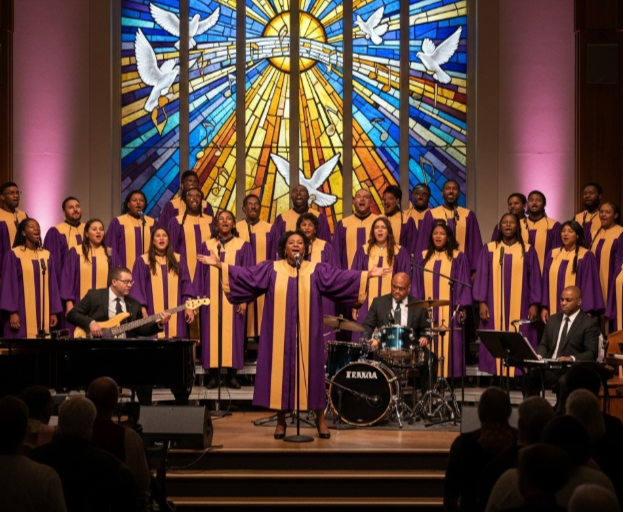
Explore Gospel Heritage
From its humble beginnings in African American churches to its current global influence, gospel music has transcended cultural boundaries and denominational differences.
This genre carries within it centuries of struggle, triumph, and unwavering faith that continues to inspire millions worldwide.
The evolution of gospel music reflects a beautiful tapestry of musical traditions, theological depth, and communal worship.
Whether expressed through traditional hymns, contemporary praise songs, or urban gospel beats, this genre maintains its core purpose: glorifying God and uplifting the human spirit through melody and message.
🎵 The Historical Roots of Gospel Music
Gospel music emerged from the spiritual songs sung by enslaved Africans in America during the 18th and 19th centuries. These spirituals served multiple purposes—they were coded messages of hope, expressions of faith under oppression, and communal bonding experiences. Songs like “Swing Low, Sweet Chariot” and “Go Down Moses” carried double meanings, often referencing both biblical narratives and the Underground Railroad.
The term “gospel music” itself became commonly used in the early 20th century, particularly through the pioneering work of Thomas A. Dorsey, often called the “Father of Gospel Music.” Dorsey, a former blues pianist, merged sacred lyrics with blues and jazz influences, creating a new sound that initially faced resistance from traditional churches but eventually revolutionized Christian worship.
By the 1930s and 1940s, gospel music had established itself as a distinct genre with legendary artists like Mahalia Jackson bringing it to mainstream audiences. Jackson’s powerful contralto voice and emotional delivery made gospel music accessible beyond church walls, influencing the civil rights movement and inspiring generations of singers across all musical genres.
✨ Different Styles Within Gospel Music
Gospel music encompasses a remarkably diverse range of styles, each with its unique characteristics and cultural context. Understanding these variations helps appreciate the genre’s richness and adaptability.
Traditional Gospel
Traditional gospel maintains strong connections to early spirituals and hymns. It features call-and-response patterns, organ accompaniment, and powerful vocal performances. Quartets like The Golden Gate Quartet and The Soul Stirrers exemplified this style, emphasizing harmonies and storytelling through song.
Contemporary Gospel
Contemporary gospel incorporates modern musical elements including pop, R&B, and rock influences. Artists like Kirk Franklin, CeCe Winans, and Tasha Cobbs Leonard represent this evolution, using synthesizers, drum machines, and contemporary production techniques while maintaining gospel’s spiritual core. This style appeals particularly to younger generations while preserving theological substance.
Urban Gospel
Urban gospel blends hip-hop, rap, and street culture with Christian messaging. Artists such as Lecrae, KB, and Trip Lee have pioneered this subgenre, demonstrating that faith-based music can authentically address contemporary urban realities while remaining doctrinally sound.
Southern Gospel
Predominantly found in the American South, Southern gospel features quartet singing, piano accompaniment, and country music influences. Groups like The Gaither Vocal Band and The Isaacs have maintained this tradition’s popularity, often performing at church revivals and gospel music festivals.
🎤 Legendary Gospel Artists Who Shaped the Genre
Certain individuals have left indelible marks on gospel music, elevating it artistically while expanding its influence globally.
Mahalia Jackson remains gospel music’s most internationally recognized voice. Her refusal to sing secular music despite lucrative offers demonstrated her commitment to gospel’s sacred purpose. Her performance at the 1963 March on Washington, where she sang before Dr. Martin Luther King Jr.’s famous speech, cemented her role in American history.
Andraé Crouch revolutionized gospel music by incorporating contemporary sounds and writing songs that crossed denominational lines. His compositions like “The Blood Will Never Lose Its Power” and “My Tribute” have become standards in churches worldwide, covered by artists across multiple genres.
The Clark Sisters brought gospel music into the mainstream during the 1980s with their innovative harmonies and contemporary sound. Their influence extends to secular R&B and pop artists who grew up hearing their music, demonstrating gospel’s broader cultural impact.
Kirk Franklin redefined gospel music for the millennial generation, achieving crossover success without compromising his message. His fusion of hip-hop, R&B, and traditional gospel elements created a new blueprint for contemporary Christian music, earning him numerous Grammy Awards and platinum certifications.
🙏 The Spiritual Impact of Gospel Music
Beyond entertainment, gospel music serves profound spiritual functions within Christian communities and individual faith journeys. Its impact extends far beyond Sunday morning worship services.
Gospel music creates communal worship experiences that unite believers across socioeconomic, racial, and cultural divides. When congregations sing together, they participate in a collective expression of faith that strengthens community bonds and reinforces shared values. This communal aspect distinguishes gospel from individualistic entertainment.
For many believers, gospel music provides emotional and spiritual comfort during difficult seasons. Songs about God’s faithfulness, healing, and provision offer hope when circumstances seem overwhelming. The testimonial nature of many gospel songs—recounting personal experiences of divine intervention—encourages listeners facing similar challenges.
Gospel music also serves evangelistic purposes, communicating theological truths through memorable melodies and lyrics. Many people report encountering God or making faith commitments while hearing gospel music, demonstrating its effectiveness as a vehicle for spiritual transformation.
🎹 Musical Characteristics That Define Gospel
Gospel music possesses distinctive musical features that make it immediately recognizable, regardless of stylistic variations.
Vocal Techniques
Gospel singing emphasizes emotional authenticity and technical excellence. Melisma—extending single syllables across multiple notes—creates the genre’s characteristic vocal runs. Gospel singers also employ techniques like growls, shouts, and dynamic volume changes to convey spiritual intensity and emotional depth.
Harmonic Complexity
Gospel music frequently uses extended chords, particularly seventh and ninth chords, creating rich harmonic textures. The characteristic gospel sound often involves progressive chord movements and unexpected harmonic shifts that generate emotional tension and release.
Rhythmic Elements
Syncopation and polyrhythmic patterns give gospel music its distinctive groove. Hand clapping, foot stomping, and tambourine playing add percussive layers that encourage physical participation. The rhythmic complexity reflects African musical traditions while adapting to Western harmonic frameworks.
Call and Response
This foundational element traces directly to African musical traditions. A lead singer presents a musical phrase, and the choir or congregation responds, creating dynamic interaction. This technique transforms passive listening into active participation, embodying gospel music’s communal nature.
🌍 Gospel Music’s Global Influence
While rooted in African American church traditions, gospel music has become a worldwide phenomenon, adapting to various cultural contexts while maintaining its spiritual core.
In Africa, gospel music blends with indigenous musical traditions, creating vibrant expressions of Christian faith. Nigerian gospel artists like Sinach and South African groups like Joyous Celebration have achieved international recognition, demonstrating gospel’s universal appeal and adaptability.
Latin American gospel music incorporates salsa, merengue, and reggaeton rhythms, creating culturally relevant worship experiences. Artists like Marcos Witt and Jesús Adrián Romero have pioneered Spanish-language gospel music that resonates throughout Latin America and Spanish-speaking communities worldwide.
European gospel choirs have emerged in countries without historical gospel traditions, attracted by the genre’s emotional power and musical excellence. Gospel workshops and festivals throughout Europe demonstrate the genre’s transcultural appeal.
Asian churches have embraced gospel music while infusing it with local musical sensibilities. Korean churches particularly have developed robust gospel music traditions, producing artists who blend Western gospel with Korean musical elements.
📱 Gospel Music in the Digital Age
Technology has dramatically transformed how gospel music is created, distributed, and consumed, expanding its reach while presenting new challenges and opportunities.
Streaming platforms have democratized gospel music access, allowing independent artists to reach global audiences without major label support. Services like Spotify, Apple Music, and YouTube provide platforms where emerging gospel artists can build followings and generate income from their music.
Social media has created new promotional avenues and community-building opportunities. Artists engage directly with fans through Instagram, Facebook, and Twitter, sharing behind-the-scenes content and personal testimonies alongside their music. Viral moments—like Kanye West’s “Sunday Service” performances—introduce gospel music to audiences who might never attend traditional church services.
Home recording technology has reduced production costs, enabling more artists to record professional-quality gospel music. Digital audio workstations and affordable equipment have lowered barriers to entry, resulting in increased diversity of voices and styles within the genre.
However, the digital age also presents challenges. Streaming revenue models often disadvantage artists compared to traditional album sales. The abundance of available music makes standing out increasingly difficult. Gospel artists must balance artistic integrity with algorithm-driven engagement strategies.
🎼 Contemporary Trends Shaping Gospel Music
Gospel music continues evolving, incorporating contemporary musical trends while wrestling with questions about maintaining its spiritual distinctiveness.
Worship Music Convergence
The line between gospel and contemporary worship music has blurred considerably. Artists like Tasha Cobbs Leonard and Jonathan McReynolds create music that functions equally in traditional black churches and multiethnic contemporary worship settings. This convergence reflects increasing cross-cultural exchange within Christianity.
Genre Fusion
Gospel artists increasingly incorporate elements from trap, electronic dance music, and alternative rock. While controversial among traditionalists, these experiments attract younger listeners and demonstrate gospel’s continued relevance. Artists like GAWVI and Social Club Misfits exemplify this boundary-pushing approach.
Authenticity Emphasis
Contemporary gospel artists emphasize transparency about struggles, doubts, and imperfections rather than projecting unattainable spiritual perfection. This vulnerability resonates with audiences seeking authentic faith expressions rather than religious performance. Songs addressing mental health, relationship challenges, and spiritual questioning reflect this trend.
Independent Artist Movement
More gospel artists are choosing independent career paths rather than traditional label contracts. Crowdfunding, direct-to-fan sales, and digital distribution enable artists to maintain creative control while building sustainable careers. This independence allows greater artistic experimentation and authentic expression.
🏆 Gospel Music’s Recognition and Awards
Gospel music has achieved mainstream recognition through various awards and honors, validating its artistic merit while expanding its cultural influence.
The Grammy Awards include multiple gospel categories, recognizing excellence in traditional gospel, contemporary Christian music, and gospel performance. These awards have elevated gospel artists’ profiles, introducing their music to broader audiences and validating gospel as serious artistry.
The Stellar Gospel Music Awards, established in 1985, specifically celebrate gospel music excellence. These awards honor artists, songwriters, producers, and industry professionals who advance gospel music’s mission and artistry.
The Dove Awards, presented by the Gospel Music Association, recognize achievement in Christian and gospel music. These awards acknowledge various genres within Christian music, including gospel, contemporary Christian, worship, and inspirational categories.
Beyond formal awards, gospel music’s influence appears in unexpected places. Secular artists frequently sample gospel music, collaborate with gospel artists, or incorporate gospel elements into their work. This cross-pollination demonstrates gospel’s artistic influence beyond explicitly Christian contexts.
💫 The Future of Gospel Music
Gospel music faces both exciting opportunities and significant challenges as it moves forward in an increasingly diverse and digitally connected world.
Generational transitions will continue shaping gospel music’s evolution. Younger artists bring different sensibilities, technological fluency, and cultural references while inheriting rich traditions from predecessors. Balancing innovation with tradition remains an ongoing tension that will define gospel music’s trajectory.
Global collaboration will likely increase as technology facilitates international connections. Gospel artists from different continents can collaborate remotely, creating fusion styles that blend diverse cultural expressions of Christian faith. These collaborations will further demonstrate gospel music’s universality.
The relationship between gospel and secular music industries will continue evolving. As streaming platforms collapse traditional genre boundaries, gospel music may reach audiences previously unexposed to explicitly Christian content. However, this accessibility raises questions about maintaining gospel music’s distinctive spiritual purpose versus pursuing mainstream commercial success.
Social justice themes will likely feature more prominently in gospel music, continuing the genre’s historical connection to movements for equality and human dignity. As Christians engage contemporary social issues, gospel music provides a medium for expressing faith-informed perspectives on justice, reconciliation, and human flourishing.
🎧 How to Discover and Appreciate Gospel Music
For those new to gospel music or seeking to deepen their appreciation, several approaches can enhance understanding and enjoyment of this rich genre.
Start with classic recordings from legendary artists like Mahalia Jackson, James Cleveland, and Andraé Crouch to understand gospel’s foundations. These recordings demonstrate the genre’s roots and establish baseline expectations for what constitutes excellent gospel music.
Explore various subgenres to discover personal preferences. Someone drawn to energetic, contemporary sounds might gravitate toward Kirk Franklin or Travis Greene, while those preferring traditional expressions might appreciate The Gaither Vocal Band or The Winans.
Attend live gospel performances whenever possible. Gospel music’s communal, participatory nature means recordings capture only part of the experience. Live church services, gospel concerts, and music festivals provide fuller appreciation of gospel’s power and purpose.
Read about gospel music’s history and cultural context. Understanding the social circumstances that produced spirituals, the civil rights movement’s relationship with gospel music, and the theological themes within songs deepens appreciation beyond purely musical enjoyment.
Engage with lyrics thoughtfully. Unlike many secular genres where lyrics serve primarily musical functions, gospel songs communicate theological concepts, personal testimonies, and scriptural truths. Paying attention to lyrical content reveals gospel music’s spiritual depth.
🌟 The Lasting Legacy of Gospel Music
Gospel music’s influence extends far beyond Christian communities, shaping American music broadly and providing artistic foundations for numerous secular genres. Nearly every major American popular music genre—blues, jazz, soul, R&B, rock and roll, and hip-hop—contains elements traceable to gospel music traditions.
Legendary secular artists including Aretha Franklin, Sam Cooke, Whitney Houston, and Marvin Gaye all developed their vocal abilities in gospel contexts before achieving mainstream success. The vocal techniques, emotional intensity, and performance practices they learned in church became foundational to their secular careers, demonstrating gospel’s artistic influence.
Beyond technical musical contributions, gospel music has preserved and transmitted African American cultural memory, theological perspectives, and community values across generations. It has provided comfort during oppression, energized social justice movements, and celebrated triumphs. This cultural work ensures gospel music’s enduring significance regardless of commercial trends or industry changes.
For believers worldwide, gospel music remains an essential spiritual discipline—a means of worship, encouragement, teaching, and community building. As long as Christians gather to praise God through song, gospel music will continue evolving while maintaining its core purpose: glorifying God and edifying believers through the powerful combination of faith-filled lyrics and excellent musicianship.
The journey of gospel music from plantation fields to global stages represents a remarkable story of resilience, creativity, and faith. As this genre continues adapting to new contexts, technologies, and cultural moments, it carries forward centuries of spiritual heritage, ensuring that future generations will experience the transformative power of music created to honor God and uplift humanity. 🎶
