
Anúncios
Turn your living room into the ultimate stage with karaoke at home! Whether you’re celebrating with friends or practicing your vocal skills solo, home karaoke offers endless entertainment.
Transform Your Home Into a Karaoke Paradise

Explore Karaoke APP
Karaoke has evolved from dimly lit bars to becoming one of the most popular home entertainment activities worldwide. The technology has become more accessible, affordable, and surprisingly easy to set up, making it possible for anyone to unleash their inner superstar without leaving home.
Creating the perfect karaoke experience at home involves more than just pressing play on a YouTube video. From choosing the right equipment to setting the mood with proper lighting and sound, there’s an art to hosting memorable singing sessions that keep everyone coming back for more.
🎤 Essential Equipment for Home Karaoke
The foundation of any great home karaoke setup starts with the right equipment. You don’t need to invest thousands of dollars to get started, but understanding what each component does will help you make informed decisions based on your budget and needs.
A basic karaoke system typically includes a microphone, speakers, a screen for displaying lyrics, and a device to play the music. Modern setups have become incredibly versatile, allowing you to use equipment you may already own, like your television, smartphone, or tablet.
Microphones That Make a Difference
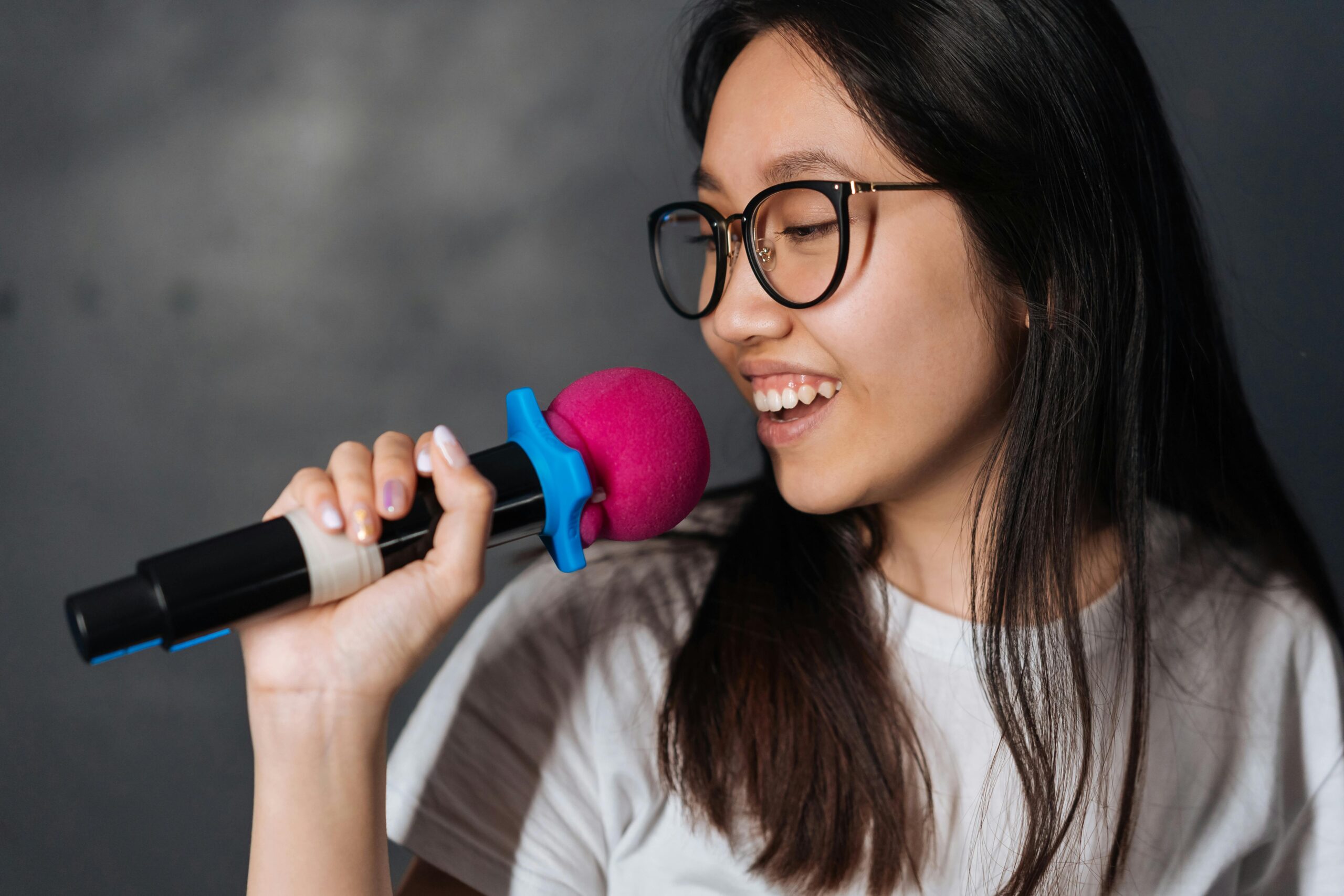
The microphone is arguably the most critical component of your karaoke setup. A quality microphone can make even amateur singers sound better, while a poor one can ruin the experience entirely. Wireless microphones offer freedom of movement and eliminate tripping hazards, though wired options often provide more consistent sound quality.
Dynamic microphones are generally preferred for karaoke because they’re durable, less sensitive to feedback, and handle high volume levels well. Look for microphones with cardioid pickup patterns, which focus on the singer’s voice while minimizing background noise. Many affordable options on the market deliver surprisingly professional results.
Speaker Systems for Clear Sound
Your speakers determine how well the music and vocals blend together. Built-in TV speakers usually don’t provide enough power or clarity for karaoke. Consider investing in a soundbar, portable Bluetooth speakers, or a dedicated home theater system.
The speaker power, measured in watts, should match the size of your space. For small rooms, 50-100 watts is sufficient. Larger spaces benefit from 200+ watts. Pay attention to bass response as well – adequate bass makes pop and rock songs more enjoyable to sing along with.
📱 Digital Platforms and Apps for Endless Song Options
Gone are the days when you needed to purchase expensive karaoke disc collections. Today’s digital platforms offer thousands of songs at your fingertips, often with subscription models that cost less than buying a single karaoke CD used to.
Streaming services specifically designed for karaoke provide high-quality instrumental tracks with synchronized lyrics. Many apps work across multiple devices, allowing you to cast to your TV while controlling song selection from your smartphone.
Popular Karaoke Apps Worth Exploring
YouTube remains a free option with millions of karaoke videos available, though quality varies significantly. Dedicated karaoke apps like Smule, Singa, and KaraFun offer professionally produced tracks with better sound quality and more accurate lyrics.
Subscription-based services typically offer offline downloads, ad-free experiences, and extensive song libraries spanning multiple languages and genres. Free versions often limit song selections or include advertisements, but they’re perfect for testing whether karaoke at home suits your lifestyle before committing financially.
Creating Custom Playlists
Organization enhances your karaoke experience considerably. Create themed playlists for different occasions – party hits for gatherings, ballads for intimate sessions, or decade-specific collections for nostalgic evenings.
Most apps allow you to favorite songs and build queues, eliminating awkward pauses between performances. Prepare a “greatest hits” playlist featuring crowd-pleasers that everyone knows, ensuring shy guests have accessible entry points into the fun.
🏠 Setting Up Your Karaoke Space
The physical environment significantly impacts your karaoke experience. While you don’t need a dedicated room, thoughtful arrangement of your space creates a more immersive and enjoyable atmosphere for performers and audience alike.
Consider acoustics, sightlines, and comfort when organizing your karaoke area. The goal is creating a space where people feel comfortable performing without worrying about disturbing neighbors or dealing with technical difficulties.
Optimizing Room Acoustics
Hard surfaces like tile and hardwood floors create echoes that muddy sound quality. Adding rugs, curtains, or upholstered furniture helps absorb sound reflections. If you have persistent echo problems, consider temporary acoustic foam panels that won’t damage walls.
Position speakers away from walls and corners to minimize bass buildup. Angle them slightly toward the singing area rather than pointing them directly at walls. This simple adjustment dramatically improves clarity and reduces feedback potential.
Lighting Creates Atmosphere
Proper lighting transforms ordinary rooms into performance spaces. Dim the main lights and add colored LED strips, disco balls, or rotating party lights to create club-like ambiance. Smart bulbs allow you to adjust colors and intensity through smartphone apps.
Ensure your lyric display remains clearly visible – avoid placing it where light reflections create glare. A small spotlight on the performance area makes singers feel special without being harsh or unflattering.
🎵 Choosing the Right Songs
Song selection can make or break your karaoke session. The best songs match your vocal range, suit the occasion, and are familiar enough that others can sing along or enjoy listening.
Start with songs you know extremely well. Familiarity with melody and lyrics reduces performance anxiety and allows you to focus on delivery rather than remembering words. As confidence builds, gradually expand to more challenging material.
Matching Songs to Vocal Range
Everyone has a comfortable vocal range where their voice sounds best. Attempting songs too high or low leads to strain and poor sound quality. Most karaoke apps allow pitch adjustment, letting you shift songs up or down to match your voice.
Women often find success with songs originally performed by female artists, and vice versa, though crossing gender lines can be entertaining when done deliberately. Focus on finding songs where you can comfortably hit most notes without straining.
Building a Crowd-Pleasing Repertoire
Develop a personal repertoire of 10-15 songs you can confidently perform. Include variety – upbeat numbers, slower ballads, different genres – to suit various moods and occasions. Practice these regularly so they become second nature.
Classic songs with simple melodies and repetitive choruses work wonderfully for group participation. Think “Sweet Caroline,” “Don’t Stop Believin’,” or “Livin’ on a Prayer” – songs where everyone knows at least the chorus and wants to join in.
🎉 Hosting Memorable Karaoke Parties
When inviting others to join your home karaoke experience, a little planning ensures everyone has fun. The best karaoke parties balance structure with spontaneity, giving shy guests opportunities to participate without pressure.
Set clear expectations when inviting people. Let them know it’s a judgment-free zone focused on fun rather than talent. Encourage guests to think about song choices in advance, though spontaneous selections often produce the most entertaining moments.
Establishing House Rules
Create a supportive environment by establishing simple guidelines. No booing or negative comments – only encouragement and applause. Limit each performer to one or two songs before rotating to give everyone turns. Allow duets and group performances to ease nervous singers into participation.
Consider implementing a “no phones while someone’s performing” rule to minimize distractions and show respect for whoever holds the microphone. This small courtesy significantly enhances the experience for performers.
Managing the Song Queue
Designate someone as DJ or take turns managing song selections. A written list prevents arguments and ensures fairness. Digital queue systems built into many karaoke apps handle this automatically, allowing guests to add songs from their own devices.
Alternate between strong and hesitant singers to maintain energy levels. Following a powerhouse performance with someone attempting karaoke for the first time can be intimidating. Mix up tempos and genres to keep things interesting throughout the evening.
🔧 Technical Tips for Better Sound Quality
Understanding basic audio principles helps troubleshoot common problems and optimize your setup. Most karaoke frustrations stem from easily fixable technical issues rather than equipment limitations.
Proper microphone technique dramatically affects sound quality. Hold the microphone about two inches from your mouth, angled slightly upward. Avoid covering the microphone head with your hand, as this causes muffled sound and increases feedback risk.
Eliminating Feedback Issues
That horrible screeching sound occurs when microphone picks up sound from speakers, creating an amplification loop. Prevent feedback by keeping microphones pointed away from speakers. Lower overall volume or reduce microphone gain if feedback persists.
Graphic equalizers found in many systems allow you to identify and reduce specific frequencies causing feedback. This requires some experimentation but provides more elegant solutions than simply turning everything down.
Balancing Music and Vocals
The instrumental track should support vocals without overpowering them. Most karaoke systems include separate volume controls for music and microphone. Start with both moderate, then adjust based on the singer’s voice strength and the room’s acoustics.
Stronger voices can handle higher music volumes, while softer singers need instrumental tracks pulled back further. Don’t be afraid to adjust levels between songs – different recordings have varying baseline volumes requiring individual tweaking.
🎤 Improving Your Vocal Performance
While karaoke emphasizes fun over perfection, a few simple techniques help everyone sound better and feel more confident. These tips don’t require formal training – just awareness and practice.
Proper breathing forms the foundation of good singing. Breathe from your diaphragm rather than shallow chest breathing. Take breaths at natural song breaks rather than mid-phrase. Adequate breath support prevents voice cracking and allows you to sustain notes longer.
Warming Up Your Voice
Quick vocal warm-ups before singing sessions prevent strain and improve performance. Simple exercises like humming scales, lip trills, or singing “la la la” up and down your range prepare vocal cords for the workout ahead.
Stay hydrated – room temperature water is ideal. Avoid dairy products immediately before singing as they can create mucus buildup. Alcohol dehydrates and impairs vocal control, despite its confidence-boosting properties.
Stage Presence at Home
Even in your living room, performing rather than just singing elevates the experience. Make eye contact with your audience, use natural gestures, and move to the music. Confidence matters more than perfect pitch in karaoke settings.
Watch recordings of yourself performing to identify habits you’re unaware of. Most people are surprised by nervous tics they don’t notice while singing. Awareness allows you to minimize distractions and focus on enjoying the performance.
💡 Creative Themes and Variations
Keep home karaoke fresh by introducing themed nights or format variations. Creativity prevents the activity from becoming stale and gives returning guests something new to anticipate.
Decade nights focusing on ’80s, ’90s, or 2000s hits add nostalgic appeal. Genre themes like country night, rock ballads, or pop divas narrow song choices in fun ways. Costume themes matching musical eras multiply the entertainment value exponentially.
Competition Formats
Friendly competitions add excitement without excessive pressure. Blind judging where performers sing behind sheets prevents bias. Audience voting using scorecards or digital polling apps engages non-singers between performances.
Keep prizes lighthearted – silly trophies, certificates, or inside jokes rather than valuable rewards. The goal is enhancing fun, not creating serious competition that might discourage participation.
Collaborative Performances
Duets and group numbers often produce the most memorable moments. Partner shy singers with confident performers to ease nervousness. Assign songs to trios or quartets for elaborate productions complete with choreography.
Spontaneous collaboration when audience members join choruses creates magical shared experiences. Encourage rather than discourage these moments – they represent karaoke at its unscripted best.
🌟 Troubleshooting Common Problems
Despite best preparations, technical difficulties occasionally arise. Understanding common issues and their solutions prevents frustrations from derailing your entertainment.
Connectivity problems plague wireless systems. Keep devices charged and within recommended ranges. Interference from other wireless devices can disrupt signals – turn off nearby Bluetooth speakers or Wi-Fi routers if problems persist.
Lyrics Sync Issues
When lyrics display ahead or behind the music, it disrupts performance flow. This usually stems from video buffering or processing delays. Pause and restart the song, ensure strong internet connections for streaming content, or download songs for offline use.
Some karaoke apps allow manual sync adjustment through settings menus. Experiment with these controls to find optimal timing for your specific setup and connection speed.
Dealing with Difficult Guests
Occasionally, someone monopolizes the microphone or performs inappropriately. Address this diplomatically by enforcing the established song limits. Have a designated host who can tactfully manage the queue and ensure everyone gets equal opportunities.
For guests who refuse to sing, don’t force participation. Assign them important roles like DJ, scorekeeper, or hype person. Many people genuinely enjoy karaoke without personally performing, and that’s perfectly acceptable.
🎊 Making Karaoke a Regular Tradition
The best home karaoke experiences come from regular practice and established traditions. Whether weekly family sessions or monthly friend gatherings, consistency helps everyone improve while building shared memories.
Track progress by recording performances over time. The improvement visible in these recordings motivates continued participation and provides entertainment during non-karaoke gatherings. Create compilations of best moments for special occasions.
Rotate hosting responsibilities if you have a regular karaoke group. Different homes offer fresh environments and prevent any single person from bearing all preparation burdens. This variation keeps the tradition exciting and sustainable long-term.
🎵 Final Thoughts on Home Karaoke Success
Creating an amazing karaoke experience at home requires surprisingly little investment beyond enthusiasm and basic equipment. The activity’s accessibility combined with its entertainment value makes it perfect for diverse ages and skill levels.
Focus on creating a judgment-free environment where fun supersedes vocal perfection. The best karaoke memories come from laughter, unexpected performances, and shared musical moments rather than technically flawless renditions.
Start simple with whatever equipment you already own, then gradually upgrade as your interest grows. Many people discover genuine passion for singing through casual home karaoke sessions, leading to lessons, choir participation, or other musical pursuits.
The beauty of home karaoke lies in its flexibility and intimacy. Unlike public venues, your home allows you to create exactly the atmosphere you want, invite only people you’re comfortable with, and sing without time limits or minimum purchases.
Whether you’re singing solo for stress relief, entertaining children on rainy afternoons, or hosting elaborate themed parties, home karaoke adapts to your needs. The investment in equipment pays dividends through countless hours of entertainment and the joy of musical expression in your personal space.
